

A strong market debut begins well before the listing goes live. Thoughtful preparation helps buyers understand a home’s value quickly, supports stronger photography and showings, and can reduce last-minute surprises once an offer arrives. Focus first on repairs, presentation, pricing strategy, and a clear plan for launch week.
Start With a Clear, Room-by-Room Assessment
Preparing a single-family home for sale is not about making every surface look brand new. It is about helping the property present as well-maintained, functional, and easy to understand from the moment prospective buyers see the listing online or walk through the front door. A deliberate assessment gives sellers time to prioritize the projects that improve the overall impression without committing to renovations that may not deliver a meaningful return.

Begin outside. Buyers often form an initial opinion before entering, so the approach to the home deserves attention. Clear leaves and debris from paths and gutters, refresh mulch where appropriate, prune overgrown plantings, check exterior lighting, and make sure address numbers are visible. A freshly cleaned entry, an orderly porch, and a front door in good condition can make the arrival feel intentional. If paint is peeling or a railing feels loose, address those issues before photography and showings.
Inside, move through each room with a practical checklist. Look for sticking doors, dripping faucets, damaged screens, worn caulk, scuffed walls, burned-out bulbs, and hardware that no longer operates smoothly. Small items can become disproportionately noticeable during a showing because they raise questions about deferred maintenance. Completing modest repairs in advance lets visitors concentrate on the home’s layout, light, storage, finishes, and outdoor space instead of a list of unfinished tasks.
It can be useful to separate projects into three categories: essential repairs, presentation improvements, and optional upgrades. Essential repairs affect function, water management, safety, or visible condition. Presentation improvements might include neutral paint touch-ups, professional cleaning, or simplified furnishings. Optional upgrades are larger projects that should be considered only after reviewing comparable properties, timing, budget, and likely buyer expectations for the local market.
The best pre-listing projects are often the ones that remove uncertainty: resolving a visible leak, servicing a system, repairing damaged trim, or making a heavily used space feel clean and functional.
Create a Presentation That Lets the Layout Shine
Once repairs are underway, turn attention to how each space will read in photographs and during showings. The objective is not to erase personality; it is to make room functions and proportions easy to see. Buyers should be able to recognize where they might gather, work, cook, rest, store belongings, and enjoy the property’s outdoor areas without being distracted by excess furniture or visual clutter.
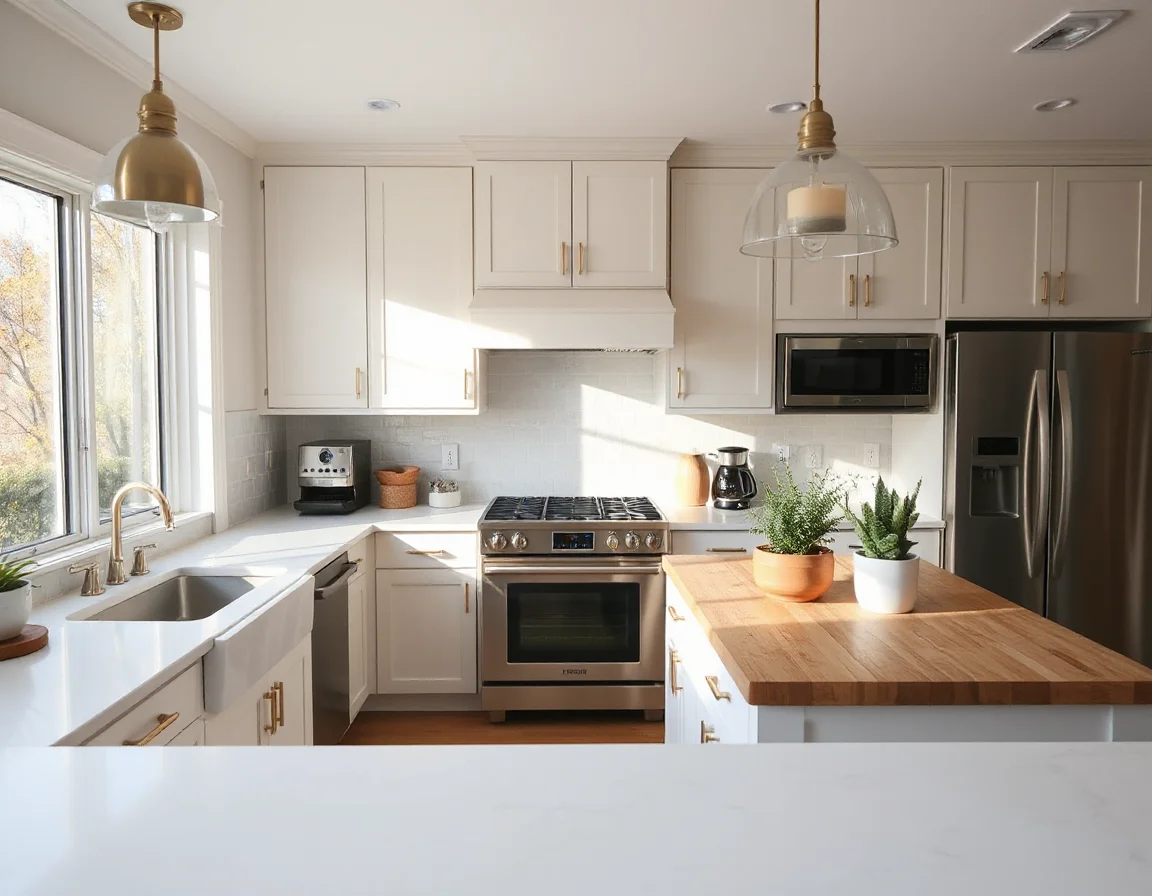
Decluttering is especially valuable in entryways, kitchens, bathrooms, closets, basements, garages, and laundry areas. These spaces frequently influence how buyers perceive storage and upkeep. Remove countertop appliances that are not in daily use, organize open shelving, clear personal paperwork, and place seasonal items out of sight. Closets do not need to be empty, but leaving some breathing room helps their capacity register more clearly.
Light has a major role in presentation. Replace mismatched bulbs, use a consistent warm or neutral color temperature where possible, open window coverings, and clean windows inside and out. Before photography, consider whether dark paint, oversized furnishings, or heavy draperies are limiting the amount of light that reaches key rooms. A few targeted changes can make an interior feel more open while preserving the home’s architectural character.
Staging can range from using existing furnishings more selectively to bringing in a few pieces for vacant or awkward rooms. The most useful staging decisions clarify purpose: a spare room may be shown as a flexible office, exercise area, or guest space; a large landing may benefit from a reading chair; an unfinished basement can be cleaned and brightly lit to demonstrate its usable footprint. Avoid crowding rooms with furniture simply to fill space.
Before launch, plan for showings as a routine rather than an interruption. Keep a simple reset list for counters, floors, pet supplies, bins, and outdoor areas. Having a system in place makes it easier to accommodate appointment requests and helps maintain a consistent impression throughout the first days on market.
Learn about pricing a house to sell
Use Market Evidence to Guide Improvements and Pricing
Preparation and pricing work together. A beautifully presented property still needs a listing strategy grounded in current competition, recent comparable sales, condition, location, lot characteristics, and buyer activity. Conversely, a thoughtfully priced home benefits from polished presentation because its online debut can reach interested buyers with a clear and credible story.
Review the homes that buyers will see alongside yours, not only the properties that sold months ago. Active listings reveal the current alternatives; pending sales can indicate where demand is concentrating; completed sales provide useful evidence about what the market has supported. Pay attention to practical distinctions such as bedroom count, square footage, condition, parking, outdoor areas, taxes, updates, and the overall level of finish. These details help determine whether a proposed improvement is worth doing before the listing goes live.
For example, professional cleaning and paint touch-ups are broadly useful because they improve almost every photograph and showing. Replacing an entire kitchen or undertaking a major addition may require a more careful analysis. A large renovation can extend the timeline, introduce construction risk, and create a finish level that does not align with nearby comparable homes. Sellers should weigh potential value against cost, disruption, and the opportunity to enter the market on schedule.
Documentation can also build confidence. Gather manuals, warranty information, permits where applicable, service records, utility details, survey information, and a list of recent improvements. These materials do not replace required disclosures or inspections, but they can help answer routine questions efficiently. If a home has specialized systems, recent mechanical work, solar equipment, a pool, or other notable features, organized records make the property easier to evaluate.
The first week of marketing is a valuable feedback window. Strong presentation and accurate pricing make buyer response easier to interpret, whether interest arrives quickly or adjustments are needed.
Plan the Launch, Not Just the Listing Date
A market debut is a coordinated sequence rather than a single upload. Before the home appears online, confirm that photography, property details, measurements, inclusions, disclosures, showing instructions, and any needed service appointments are organized. A well-prepared listing should accurately describe the home while highlighting features that matter to buyers, such as renovated spaces, flexible rooms, storage, outdoor amenities, architectural details, or access to local transportation and community resources.
Photography deserves special attention because it is often the first showing. Schedule it after cleaning, landscaping, repairs, and staging are complete. On the day of the shoot, remove vehicles from the driveway when possible, tuck away bins and hoses, turn on interior lights, and make sure exterior areas are orderly. Clear kitchen counters, bathroom vanities, and bedside tables so the images focus on the home rather than everyday items.
It is also smart to anticipate the transition from preparation to transaction. Discuss preferred showing windows, notice requirements, offer review plans, and how you will handle questions about inspections or requested documentation. Sellers who make these decisions early can respond more calmly when activity increases. Clear communication among everyone involved helps keep the process moving while preserving flexibility.
Every home has a different combination of strengths, maintenance history, and market position. The goal is not perfection; it is a launch that makes the property easy to appreciate, easy to compare, and ready for close attention. With repairs completed, spaces simplified, records assembled, and pricing informed by current conditions, a single-family home can enter the market with a more compelling and confident first impression.