

A strong offer is more than a headline price. Clear financing, realistic dates, thoughtful contingencies, and straightforward communication can help a seller understand exactly what you are proposing. The goal is not to overpromise—it is to present terms you can confidently meet while protecting your interests.
A well-built offer makes the next step easier
When a single-family home attracts attention, sellers are often comparing several offers at once. Price naturally matters, but it is only one part of the decision. Sellers also look for an offer that is complete, understandable, and supported by a practical plan from contract through closing. Clear terms reduce uncertainty and help everyone focus on the actual merits of the offer.
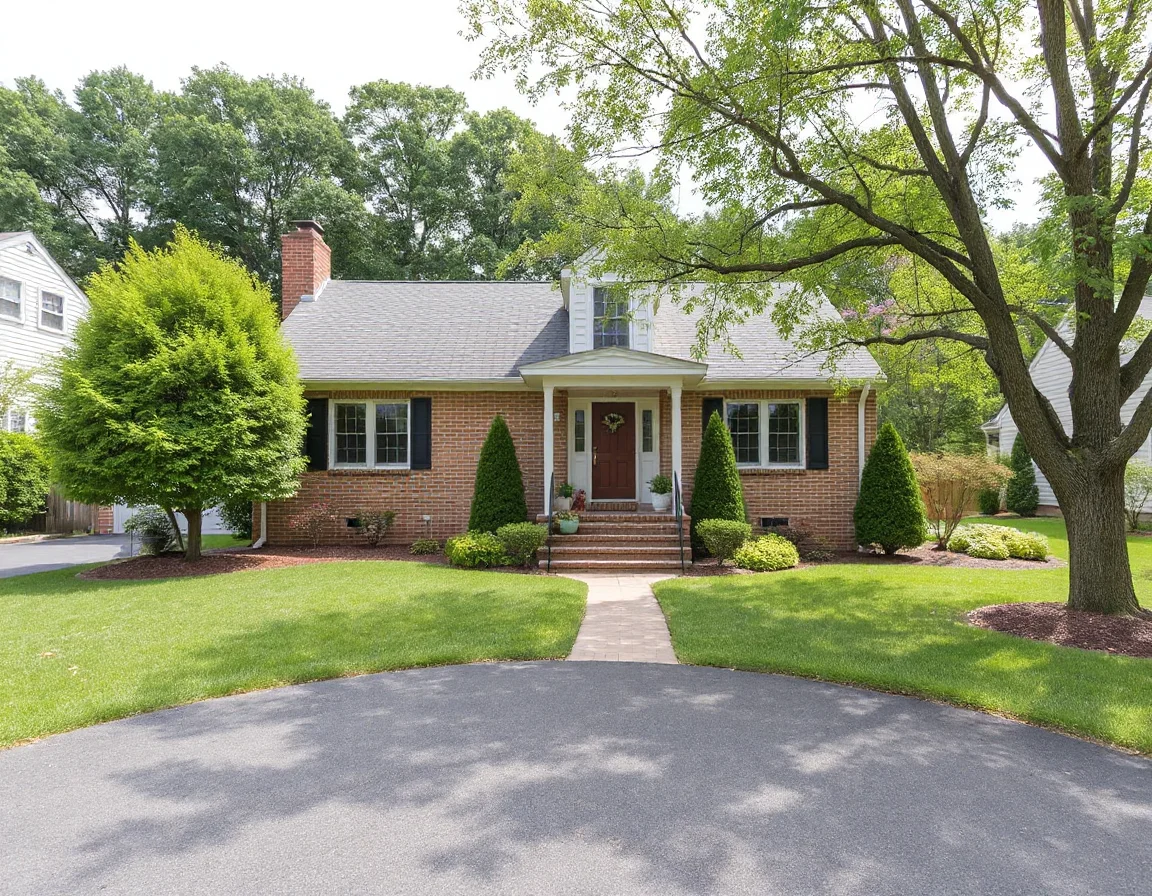
Start by making sure the offer package is accurate. Confirm the property address, proposed purchase price, earnest money amount, financing type, requested inclusions, and the names that should appear on the contract. Small errors can create unnecessary back-and-forth, particularly when a seller is reviewing offers on a deadline. A clean package signals preparation without requiring dramatic language or pressure tactics.
It also helps to separate what is important from what is simply preferred. A buyer may have a target closing date, wish to include certain personal property, or need a specific amount of time for due diligence. Those points deserve attention, but they should be written plainly and prioritized carefully. A concise offer is easier to evaluate than one crowded with vague requests and last-minute changes.
The strongest terms are often the ones you can document and deliver: a verified financing plan, a workable closing date, and contingency timelines that match the transaction.
Before submitting, review the current property disclosures, local market activity, and any known timing considerations. If the home has been listed for only a short time or has received substantial interest, a prompt and complete offer may be more useful than an open-ended conversation. If it has been available longer, the structure of the offer may create room for a more detailed negotiation. Either way, clarity gives you a stronger foundation for decisions.
Match your financing details to the home you want to buy
Financing is one of the first areas a seller will consider because it directly affects the path to closing. A pre-approval letter should be current, aligned with the proposed loan type, and sufficient for the purchase price under consideration. If your down payment, loan program, or available funds have changed since the letter was issued, ask your lender for an updated version before you write the offer.
Buyers paying cash can strengthen the presentation by including reasonable proof of funds. Buyers using financing can benefit from discussing the property with their lender in advance, especially when the home has distinctive features, recent improvements, or an asking price that may require a careful appraisal review. The purpose is not to eliminate every possible variable; it is to understand the financial path before making commitments.

Your earnest money deposit is another important signal. The appropriate amount depends on the price point, local practices, and the overall terms of the transaction. Rather than choosing a number based on a generic rule, consider how it fits the offer and make sure the funds can be delivered according to the contract timeline. Sellers generally appreciate seeing that the buyer has considered the practical steps, not just the opening bid.
Appraisal language should be approached with the same care. An appraisal contingency can be an important safeguard for a financed buyer, while a limited appraisal gap or additional cash contribution may be appropriate in some situations. Do not agree to terms that would create financial strain or rely on assumptions you have not discussed with your lender. A competitive offer should still be one you can carry through responsibly.
A pre-approval is most useful when it reflects today’s numbers—not a loan scenario from several months ago or a purchase price below your planned offer.
Review what you can afford before writing an offer
Use contingencies with intention, not uncertainty
Contingencies help define the conditions that must be satisfied for a purchase to move forward. Inspection, financing, appraisal, title, and sale-of-current-home provisions can all be meaningful depending on the buyer’s situation and the property. They are not automatically weaknesses. What matters is whether they are specific, realistic, and understood by everyone involved.
For example, an inspection period should allow enough time to schedule qualified professionals, review findings, and decide how to proceed. Shortening that window may make an offer more appealing, but an unrealistic deadline can lead to rushed choices. Similarly, financing and appraisal timeframes should reflect actual lender requirements rather than an arbitrary target chosen to make the offer look stronger on paper.
Pay close attention to the wording around repair requests and credits. Most existing homes will show some wear, and an inspection is intended to provide information about condition. Before making an offer, consider where your personal limits are: major systems, structural concerns, environmental issues, or substantial safety-related repairs may deserve special attention. Setting those expectations early can keep the negotiation focused if new information appears later.
Some buyers consider waiving or reducing certain protections in a competitive situation. That decision deserves individualized legal, financial, and professional guidance. A well-structured offer does not require abandoning due diligence; it requires choosing terms with a clear understanding of the potential trade-offs. The best offer for you is one that balances competitiveness with your ability to make informed decisions.
Bring dates, communication, and flexibility into alignment
Closing dates can carry real value. A seller may prefer a quick closing, a longer transition period, or simply a date that fits an upcoming commitment. If you have flexibility, communicate it accurately. If you do not, state your timing needs plainly rather than implying an open schedule that cannot be honored later.
Consider the full timeline: lender processing, appraisal scheduling, inspection appointments, title work, insurance, final walk-through, and the transfer of funds. A closing date that looks attractive but leaves no room for these steps can create avoidable stress. A date supported by your lender and other professionals is usually more persuasive than an aggressive date that immediately needs to be extended.
Communication also matters after submission. If the seller responds with a counteroffer, review every changed term—not only the purchase price. A change in closing date, contingency period, deposit, or included items may affect the overall value of the agreement. Keep the conversation centered on the written terms and avoid relying on informal assumptions that are not reflected in the final contract.
Explore practical guidance for making an offer
A confident offer is one you can stand behind
The most effective offers are not necessarily the most complicated. They communicate a clear price, credible financing, sensible protections, and a timeline that works in the real world. They also leave room for careful review when a counteroffer or inspection finding changes the conversation.
Buying a single-family home is a significant decision, and a competitive market should not force you into terms you do not understand. Prepare early, ask direct questions, and use current information from your lender and real estate professionals. When every part of the offer reflects a plan you can follow, you are in a stronger position to move forward with clarity—whether this home becomes the right match or the search continues.