
A kitchen upgrade does not have to mean a complete renovation to make a strong impression when selling a Leonia home. The most effective projects create a clean, functional, cohesive space while keeping the investment in step with the home’s price range, condition, and likely competition. Start with the changes buyers can see, touch, and understand within the first few minutes of a showing.
Begin With the Kitchen’s Everyday Function
A kitchen can carry a great deal of visual weight in a home sale, but resale appeal is about more than a dramatic backsplash or the newest appliance finish. Buyers tend to notice whether the room feels easy to use: Is there clear counter space? Does the lighting make food preparation and gathering areas comfortable? Are cabinets opening smoothly, and does the overall layout feel organized? In Leonia, where housing includes a mix of established homes and updated properties, a thoughtful kitchen refresh can help a listing feel well maintained without erasing its character.
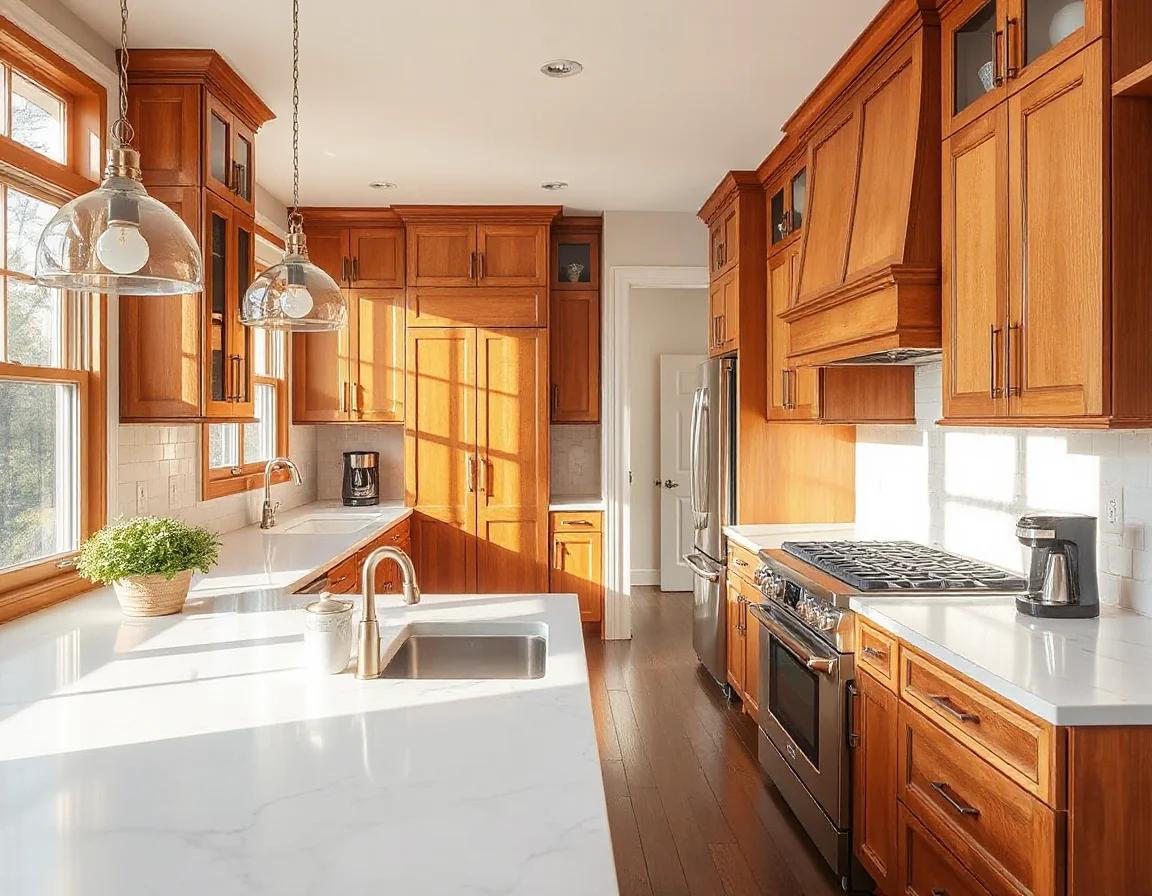
Before choosing finishes, identify friction points. A small kitchen may benefit more from improved storage and clearer work surfaces than from adding premium materials everywhere. A large kitchen may need better lighting, a practical island arrangement, or visual consistency between cabinets, counters, and flooring. Make a list of what feels dated, worn, inconvenient, or visually busy, then rank those items by how much they affect the room as a whole.
Cabinet doors that stick, chipped laminate counters, dim ceiling fixtures, and mismatched hardware can make even a clean room feel overdue for attention. Conversely, a fresh coat of paint, adjusted hinges, modern pulls, and a new faucet can bring an immediate sense of care. The goal is not to create a one-size-fits-all kitchen; it is to show a space that feels ready for daily use and aligned with the home’s overall presentation.
A coordinated refresh often delivers more visible impact than one isolated splurge. When cabinetry, lighting, counters, and hardware work together, buyers can more easily picture the kitchen as a finished space rather than a future project.
Cabinets: Refinish, Reface, or Replace?
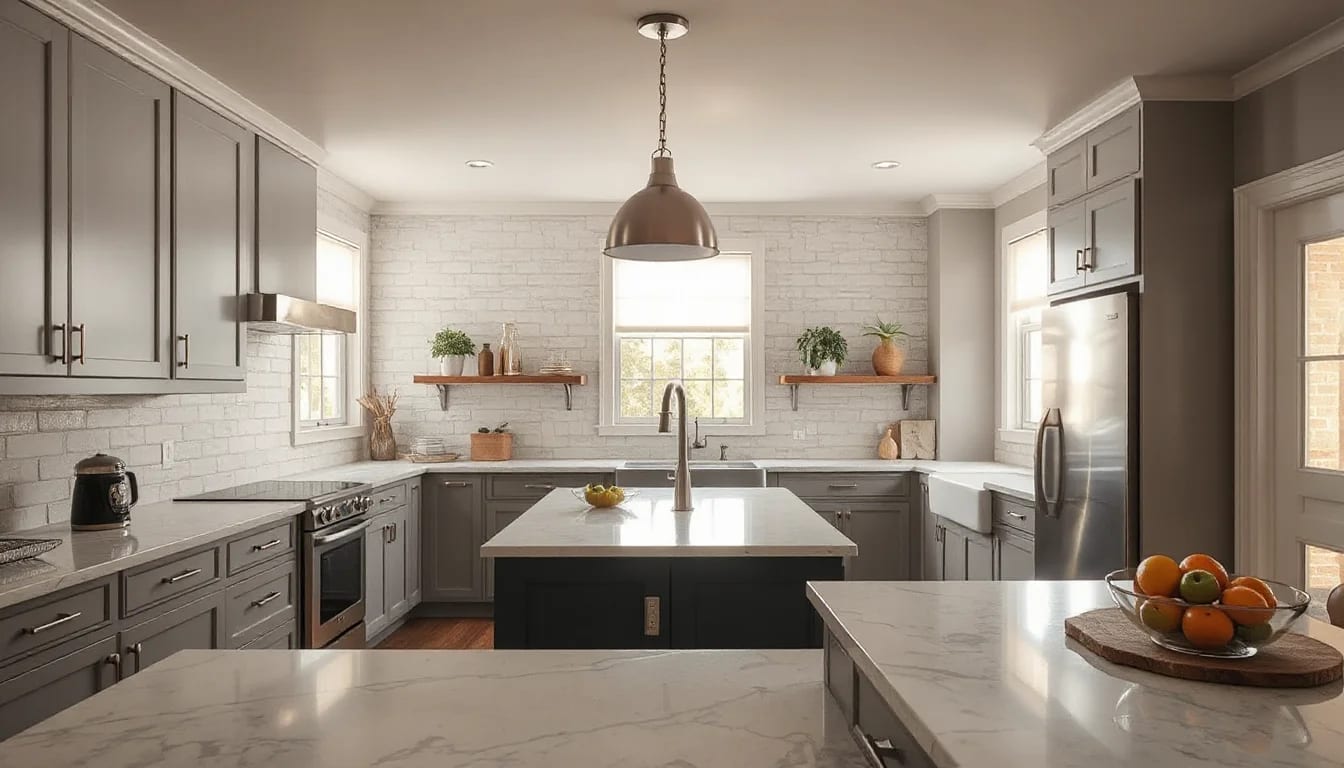
Cabinets usually occupy the most visual square footage in the room, so they deserve careful evaluation. If cabinet boxes are sturdy and the layout works, refinishing or painting may be a practical route. Neutral, enduring tones such as soft white, warm greige, muted wood, or deep accent color on a limited island area can create a polished look without making the room feel overly trend-driven. Professional preparation matters here: smooth surfaces, clean edges, and durable paint are far more persuasive than a rushed cosmetic update.
Refacing can make sense when the existing cabinet configuration is usable but door styles are dated. Full replacement becomes more compelling when there is water damage, serious wear, inadequate storage, or a layout that no longer supports comfortable movement. If replacing cabinets, prioritize drawer storage, simple door profiles, soft-close hardware, and finishes that complement the rest of the home. Highly specialized color combinations or ornate details may narrow appeal, while restrained materials make it easier for buyers to imagine their own furnishings and routines in the space.
Open shelving can be attractive in moderation, especially as a display feature near a window or beverage station, but it should not come at the expense of practical enclosed storage. For showings, keep shelves edited and uncluttered. A few everyday-looking ceramics, a small plant, or neatly arranged glassware can add warmth without distracting from the room’s usable surfaces.
Choose Counters, Lighting, and Fixtures as a Set
Once cabinetry is addressed, the next high-impact decisions are countertops, lighting, and fixtures. These elements should read as part of one visual story. Durable quartz remains a popular consideration because it offers a clean, consistent surface and relatively straightforward maintenance. Natural stone can add distinctive character, while solid-surface and quality laminate options may be appropriate when the home’s pricing and condition call for a more measured investment. Whatever the material, installation quality and edge details matter as much as the name on the sample.
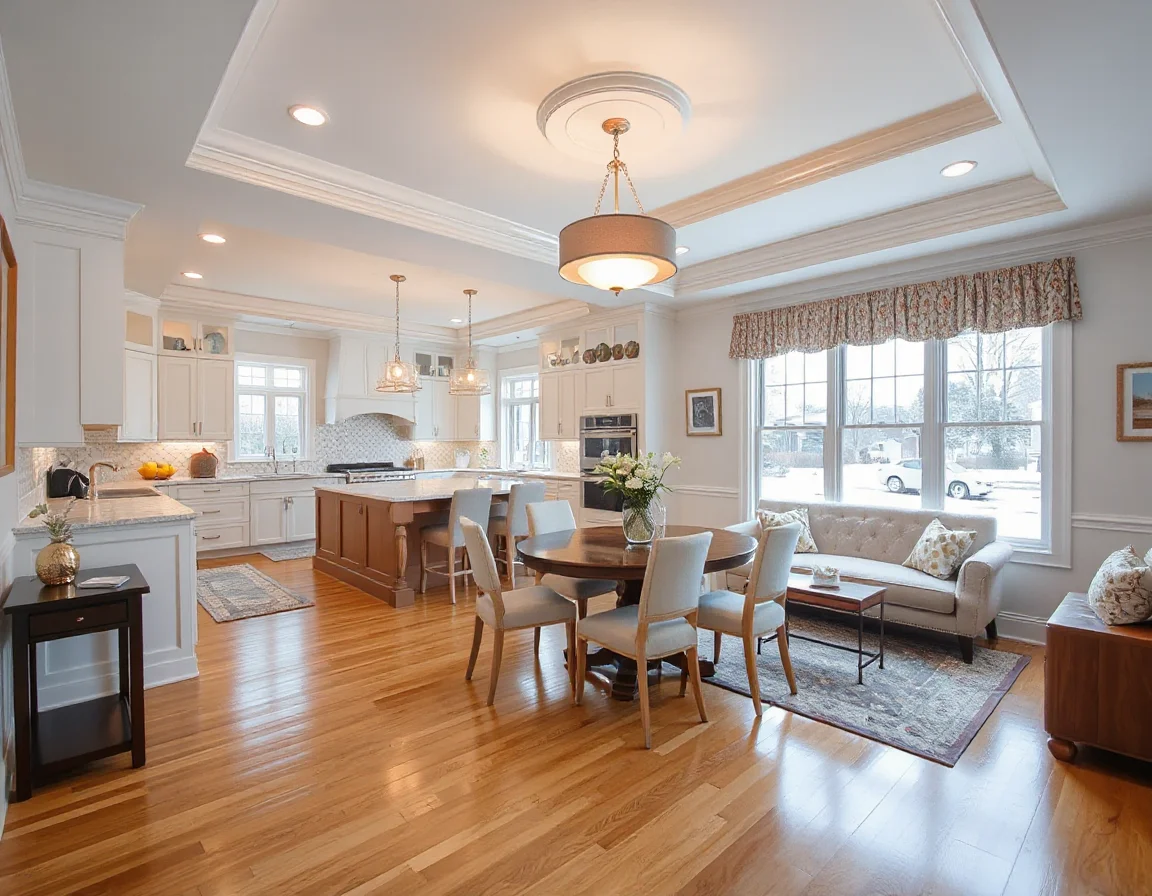
Lighting has an outsized effect on how a kitchen photographs and how it feels in person. Aim for layers: general overhead illumination, targeted task lighting at counters, and decorative fixtures where appropriate. Under-cabinet lighting is a relatively contained upgrade that can make work surfaces feel brighter and more intentional. Replace yellowed or mismatched bulbs before photography and showings, and use consistent color temperature throughout the room so the space does not feel patchy or harsh.
A new faucet, cabinet hardware, and coordinated appliance finish can be the finishing touches that make a refresh feel complete. Matte black, brushed nickel, warm brass, and polished chrome can all work well, but consistency is key. There is no need to match every metal perfectly; instead, choose a primary finish and repeat it purposefully. Keep faucet style proportional to the sink and cabinetry, and make sure any new fixture supports the kitchen’s practical use rather than becoming the only focal point.
Appliances deserve a practical assessment. If current appliances are clean, functioning, and visually coordinated, replacement may not be the first priority. If one appliance is visibly worn or several finishes conflict, a matching set or a more unified presentation may help. Save manuals, warranties, and records for newer equipment; organized documentation can reinforce the impression that improvements were completed with care.
For listing photos, clear counters of small appliances, magnets, paper stacks, and product bottles. A visible expanse of counter space can make the kitchen feel more functional than an additional decorative accessory ever will.
Avoid Overbuilding for the Sale
It is easy to overspend when viewing kitchen upgrades as a design project rather than a resale decision. A premium range, custom cabinetry, or elaborate stone selection may be worthwhile in the right property, but the best scope depends on the home’s condition, location, competing listings, and anticipated price range. Compare recent local listings with similar size, style, and level of finish before deciding how far to go. An experienced real estate professional can help distinguish between upgrades that support a stronger market position and features that may not return their full cost.
Plan work in a logical order: repair underlying issues first, finalize layout decisions, install major materials, then complete paint, hardware, lighting, and staging. For projects involving electrical changes, plumbing relocation, ventilation, structural work, or significant alterations, confirm current permit and inspection requirements with the appropriate local offices and use qualified professionals. Keeping invoices, permit records where applicable, material information, and contractor details together can be helpful when preparing the home for sale.
A kitchen should also fit the rest of the house. If adjacent rooms retain original wood trim and traditional details, a stark ultra-modern renovation can feel disconnected. If the home has a cleaner contemporary style, heavily decorative cabinetry may have the same effect. Repeating a flooring tone, metal finish, or paint undertone across connected spaces creates continuity and helps buyers understand how the home flows from room to room.
Explore pricing strategies for your home
Finish With Presentation, Not More Construction
After the work is done, give the room a careful final pass. Repair caulk lines, touch up paint, clean appliance fronts, polish fixtures, and check that every cabinet and drawer operates smoothly. Remove excess items from counters and pantry shelves, but avoid making the room feel vacant. A bowl of fresh fruit, a simple cutting board, folded towels, and a modest arrangement can create a welcoming visual without hiding the kitchen’s actual capacity.
Professional photography benefits from a kitchen that is evenly lit and visually calm. Open window coverings where appropriate, switch on accent and task lighting, and make sure the sink is empty. If the home is occupied, establish a short daily reset routine for showings: clear dishes, put away small appliances, wipe counters, and remove recycling or pet supplies from view. These small steps preserve the impact of the renovation every time someone walks through the door.
Ultimately, the strongest Leonia kitchen upgrade is the one that makes the home feel cared for, coherent, and easy to enjoy. Whether the right plan is a weekend refresh or a more substantial renovation, focus on durable choices, honest condition, and a finished look that supports the home’s full story. A well-prepared kitchen can help buyers spend less time calculating projects and more time appreciating the property in front of them.