

Thoughtful staging helps buyers notice a home’s light, layout, storage, and everyday functionality before they focus on the to-do list. In Norwood, a few focused updates—from a simplified entry to well-lit rooms and polished outdoor spaces—can make listing photos and in-person tours feel more intentional.
Start by Making the Home Easy to Read
A well-staged listing is not about making a home look unfamiliar. It is about helping visitors understand it quickly. When rooms have a clear purpose, pathways are open, and the most appealing architectural details are visible, buyers can spend their showing time imagining how the space might work for their own routines rather than trying to decode the floor plan.
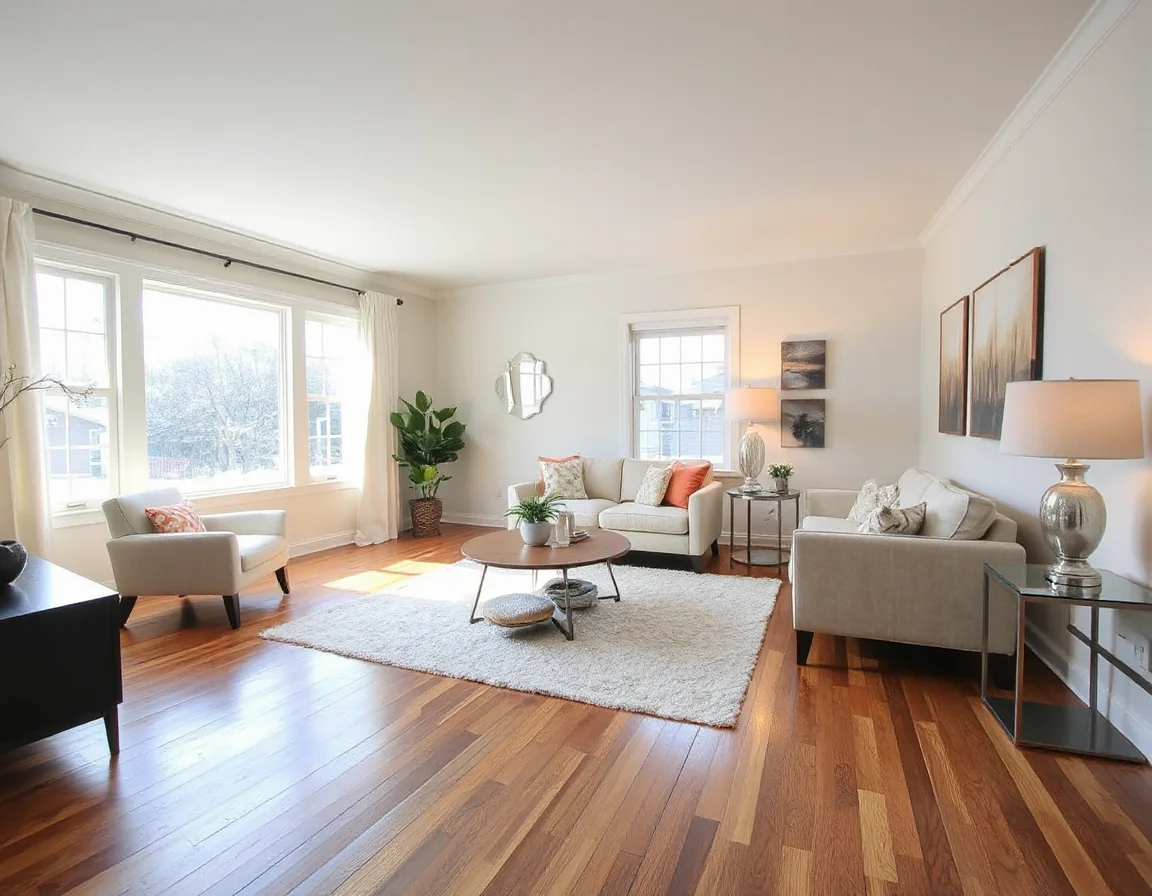
Begin with a practical reset: remove excess furniture, clear countertops, and pack away personal collections that pull attention away from the room itself. This does not mean stripping every surface bare. A small stack of books, a bowl of fruit, a textured throw, or a simple piece of art can make a room feel finished without creating visual noise. The goal is edited, not empty.
Pay particular attention to the entry, living area, kitchen, and primary bedroom. These are often the spaces that establish a visitor’s first impression and help communicate overall care. In an entry, leave room for the door to open fully and add one purposeful element such as a small bench or a plant. In a living room, arrange seating to highlight the room’s dimensions, windows, fireplace, or other focal point rather than pushing every piece against the walls.
Storage deserves the same attention. Closets, pantries, linen cabinets, and mudroom areas can be useful selling features when they appear organized and accessible. Remove out-of-season items, group like items together, and leave some visible breathing room on shelves. Buyers know a home is lived in; a tidy storage area simply makes its capacity easier to appreciate.
Before photography, stand at each doorway and take a phone photo. Anything that dominates the image—cords, bulky furniture, crowded counters, or mismatched accents—deserves a second look.
Use Light, Color, and Condition to Your Advantage
Natural light is one of the most valuable tools in staging, and it costs nothing to use well. Open curtains and blinds before photos and showings, clean the glass, and trim back any indoor greenery that blocks a window. If privacy is a concern, choose window treatments that still allow daylight to filter through. A brighter room generally photographs more clearly and gives visitors a better sense of scale.
Lighting should feel consistent from room to room. Replace burned-out bulbs, select matching bulb temperatures where possible, and turn on lamps in areas that feel dim. Warm-white lighting often creates a comfortable, polished look, while overly cool bulbs can make finishes appear harsher than they are. Do not overlook hallways, stair landings, laundry spaces, and bathrooms; these areas can feel more finished with simple, even illumination.
Fresh paint can also have an outsized effect when walls are heavily personalized, marked, or inconsistent in color. Soft neutrals are useful because they allow flooring, trim, windows, and room proportions to take center stage. If repainting is not part of the plan, touch up scuffs, patch nail holes, and clean baseboards. Small repairs signal that the property has been maintained with care.
In kitchens and baths, keep the approach especially focused. Clear counters except for a few purposeful pieces, such as a cutting board and a bowl of lemons in the kitchen or neatly folded towels in the bath. Re-caulk where needed, polish fixtures, replace worn cabinet hardware if appropriate, and make sure mirrors and glass surfaces are spotless. These are detail-oriented spaces, and buyers often notice details quickly.
Learn how pricing and presentation work together
Create a Strong First Impression Outside
The first photograph and first walk to the front door set the tone for the entire visit. Norwood homes can benefit from a curb-appeal review that is more methodical than expensive: mow and edge the lawn, remove leaves and branches, sweep the walkway, clean the front door, and make house numbers easy to see. If the season allows, a pair of simple planters can add color and definition near the entrance.
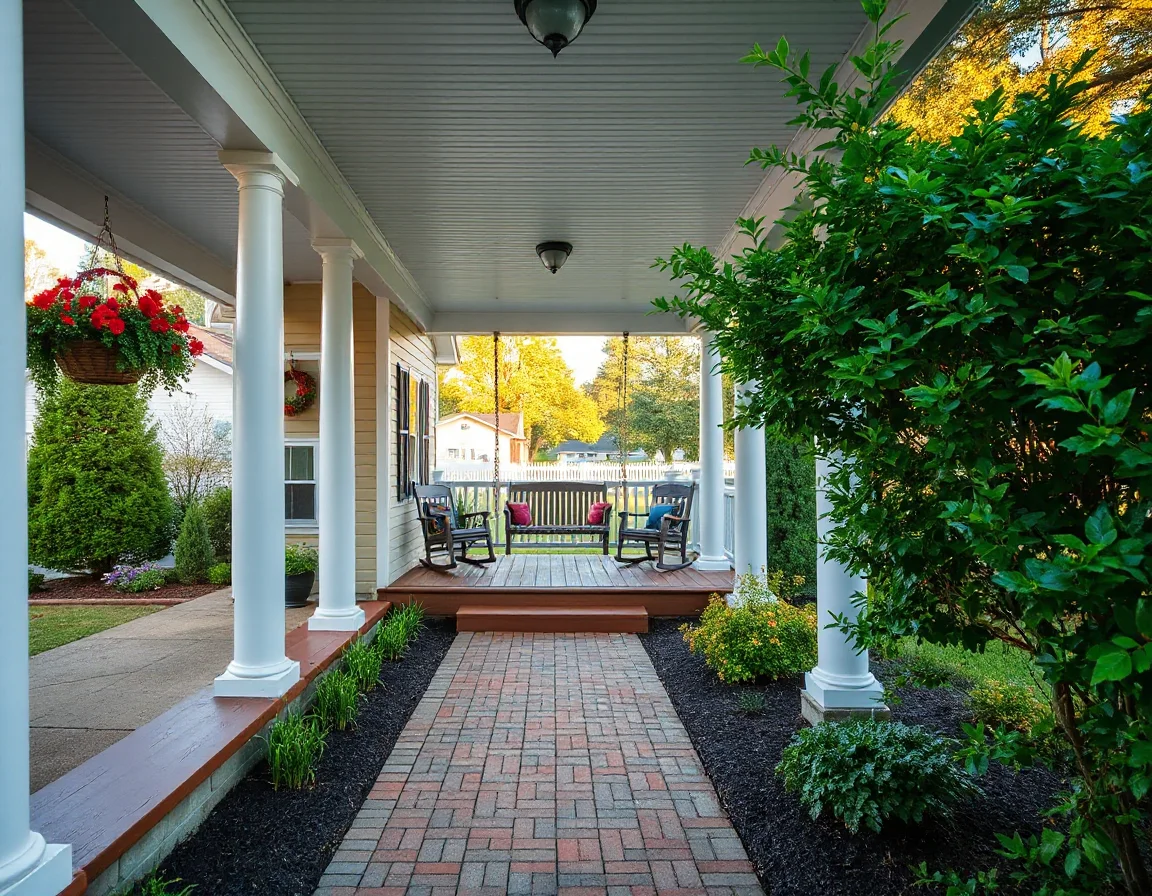
Exterior staging should help buyers see usable spaces rather than simply looking at a yard from the threshold. Arrange a patio, deck, or porch with a small seating area if the dimensions allow. Keep outdoor tables clean, roll up hoses, store bins neatly, and remove broken or unused items. A well-presented exterior helps connect the home’s indoor living areas with its outdoor features.
Timing matters, too. Ask your real estate professional when photography is scheduled and prepare the exterior before that appointment, not just before open houses. Good weather cannot be guaranteed, but clean surfaces, trimmed landscaping, and an orderly driveway translate in almost every season. In autumn, clear fallen leaves; in winter, keep walks safely cleared; in spring and summer, manage overgrowth and refresh planting beds.
For occupied homes, create a short pre-showing checklist and keep it by the door. It may include opening window coverings, turning on key lights, placing pet items out of sight, emptying small trash bins, and doing a quick counter sweep. A repeatable routine reduces last-minute stress and helps the home look consistent across multiple appointments.
The most effective curb appeal improvements are usually maintenance-focused: a clean path, working exterior lights, a clear entry, and landscaping that lets the home’s façade remain visible.
Stage for the Listing You Have, Not a Generic Template
Every property has a different set of strengths. A condominium may benefit from furniture that clarifies flexible living zones. A single-family home may need an underused room staged as an office, reading room, or exercise area to demonstrate its potential. A luxury home may call for a more restrained approach that emphasizes materials, light, and architectural details. The right strategy begins with an honest assessment of what makes a particular home distinctive.
Do not feel obligated to complete a major renovation simply because a listing is approaching. Buyers can often distinguish between a thoughtful refresh and a hurried project. Prioritize repairs, cleanliness, paint touch-ups, lighting, and furniture placement before pursuing costly changes. A local real estate professional can help identify which improvements are likely to support marketing and which may not be necessary for the current listing strategy.
Professional photography should come after staging, not before it. Review the home with the camera in mind: open interior doors where they improve sightlines, close doors to utility areas if appropriate, hide remote controls and charging cables, and check reflective surfaces for clutter. Listing photos introduce the property to many buyers before a showing is ever scheduled, so the visual story should be clear, accurate, and inviting.
Ultimately, strong staging helps a Norwood home show its best features with confidence. It does not need to be elaborate or expensive. A cleaner visual flow, better lighting, organized storage, and a welcoming exterior can make the listing feel more memorable while allowing the home itself to remain the focus.