

Englewood Cliffs buyers can make clearer decisions by watching more than the asking price. Listing supply, days on market, price reductions, and the mix of available homes can reveal whether a listing deserves an immediate offer, a careful comparison, or a little patience. This guide explains how to read those signals without relying on headlines alone.
Why Price Trends Need Context
Price trends are useful, but they are only one part of the Englewood Cliffs market story. A monthly median sale price can move up because several high-value properties closed, while the broader selection of homes may look very different from the prior month. In a community where architectural style, lot size, condition, views, renovations, and proximity to major routes can vary meaningfully from one property to another, buyers benefit from comparing like with like rather than treating one market statistic as a universal answer.
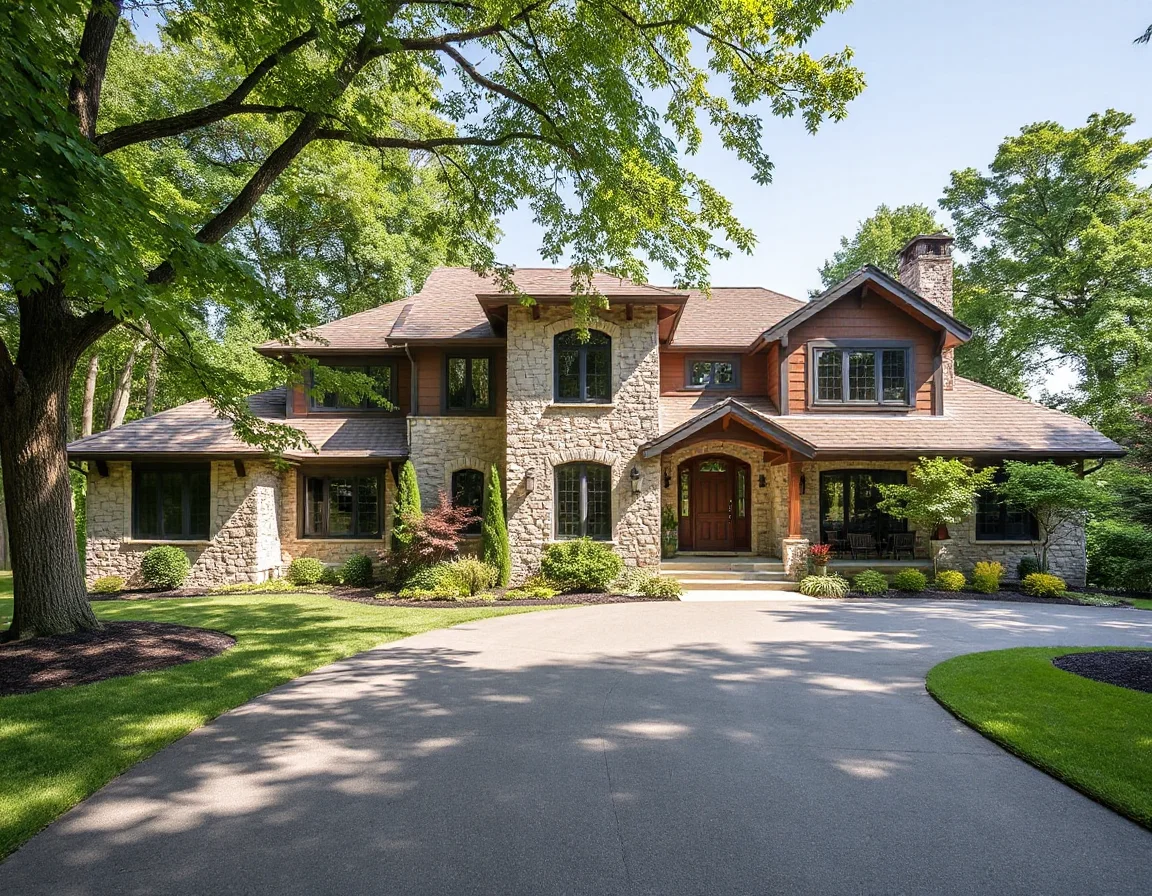
Start with the direction of comparable sales. Look at recently closed homes with similar bedroom count, condition, lot characteristics, and location within the area. If comparable properties are closing close to or above their list prices, that can indicate that well-positioned listings are attracting strong attention. If they are closing below asking price, it may signal room for negotiation, though buyers should still consider whether the original list price was ambitious.
It is also helpful to distinguish between asking prices and completed sale prices. Asking price reflects a seller’s strategy; a closed price reflects the outcome of negotiation, appraisal, financing, inspection findings, timing, and buyer demand. The gap between the two can be more informative than either number in isolation. A property listed at a polished headline number may still have a market value that is better understood through the most relevant closed comparables.
A rising median price does not automatically mean every available home is appreciating at the same pace. The most useful comparison is a recent closed sale with a similar condition, scale, and setting.
For buyers, the practical question is not simply whether prices are “up” or “down.” It is whether a particular home is positioned fairly against the alternatives available today and the sales that established value recently. That perspective can help buyers prepare an offer that is confident, documented, and aligned with the property’s actual competitive context.
How Listing Supply Shapes Your Options
Supply is often the market measure that changes a buyer’s experience most directly. When there are fewer active listings that match a buyer’s criteria, each suitable property can carry more urgency. When selection grows, buyers may have more time to compare layouts, renovation quality, outdoor spaces, and long-term ownership costs. Neither environment is automatically better; each calls for a different approach.
In Englewood Cliffs, it is especially important to look beyond the total number of listings. A headline inventory figure may include homes across a wide price range, properties needing substantial updates, new construction, condominium options, rentals, and land. A buyer seeking a particular type of residence should track the supply within that specific segment. The available inventory of renovated single-family homes, for example, can look very different from the inventory of larger luxury properties or properties with potential for future improvements.

New listings and pending sales offer another useful lens. A steady stream of new listings can create fresh opportunities, particularly for buyers who have not yet found the right fit. At the same time, if well-priced homes are moving into contract quickly, the active inventory count may understate the competition. Watching how long desirable listings remain available can provide a more immediate sense of market tempo than a single monthly supply number.
Days on market should be read carefully, too. A home that has been available for several weeks may be giving buyers time to evaluate it thoughtfully, but it is worth understanding why. The reason may be price, condition, presentation, a highly specific design, or simply the timing of its launch. Conversely, a newly listed home may generate attention because it fills a gap in the current selection. The listing history, any price changes, and the condition of competing homes all belong in the conversation.
Inventory matters most when it is filtered to the homes you would genuinely consider. Track the number of active, pending, and recently sold properties in your price range and property type.
Search Englewood Cliffs listings
Signals That Can Affect an Offer Strategy
Once buyers understand pricing and supply, they can use those findings to shape a more deliberate offer strategy. In a limited-supply setting, preparation matters. Reviewing disclosures, understanding financing parameters, setting a comfortable ceiling, and having questions ready for the showing can reduce avoidable delays. A strong offer is not always defined by price alone; closing timeline, contingencies, financing clarity, and responsiveness can all influence a seller’s decision.
When a listing has been active longer than comparable homes, buyers may have more room to ask questions and consider the full cost of ownership. That can include property taxes, utilities, maintenance needs, insurance, planned renovations, and any features that require specialized care. A price reduction can be meaningful, but it should not replace a careful review of the home’s condition and the value of nearby comparable sales. The best opportunity is one that still makes sense after the initial excitement of a lower price has passed.
Buyers should also watch for the difference between a market-wide slowdown and a property-specific issue. If many comparable listings are taking longer to sell, the market may be shifting toward more balanced negotiations. If one property sits while similar homes move quickly, the listing itself may need a closer look. This is where a detailed comparison can protect buyers from both overreacting to competition and overlooking a viable property with negotiable potential.
Seasonality can add another layer. Listing volume often changes through the year, and buyer activity can shift with it. More inventory may create more choices, while quieter periods can sometimes bring motivated sellers or less crowded showing schedules. Rather than trying to predict every turn in the market, buyers can stay ready: monitor new listings, revisit saved searches, and evaluate each opportunity against current evidence.
A Clearer Way to Watch the Market
The most effective Englewood Cliffs market watchlist combines several measures: relevant active inventory, newly listed homes, pending sales, days on market, price adjustments, and closed comparables. Review these figures over several weeks or months when possible, not just after one active weekend. Patterns become more reliable when they are viewed over time and within the specific property category that matters to you.
A thoughtful search also leaves room for the details that statistics cannot capture. Natural light, layout flow, renovation quality, outdoor space, storage, parking, and future maintenance all affect how a home may fit an owner’s goals. Market data can establish a framework, but the final decision should balance that framework with a clear understanding of the property itself.
For buyers considering Englewood Cliffs, the goal is not to chase every market headline. It is to recognize when inventory is thin, identify when pricing is supported by comparable sales, and remain prepared to act when a home aligns with both the market and personal priorities. With a disciplined view of price trends and listing supply, each showing becomes less about guesswork and more about making an informed next move.