

Buying a condominium in Fort Lee means budgeting for more than the purchase price. Monthly association fees, property taxes, lender charges, reserves, insurance requirements, and one-time closing expenses can all shape the true cost of ownership. Reviewing the building’s financial documents early helps turn a promising listing into a well-informed decision.
Start With the Full Monthly Picture
Fort Lee condominium living can place residents near the Hudson River, major transportation routes, local parks, dining, and New York City access. Buildings range from smaller low-rise properties to full-service high-rises with staffed entrances, parking, fitness facilities, outdoor areas, package handling, and other shared amenities. Those differences are reflected in each building’s monthly association fee, so comparing asking prices without comparing monthly carrying costs can be misleading.
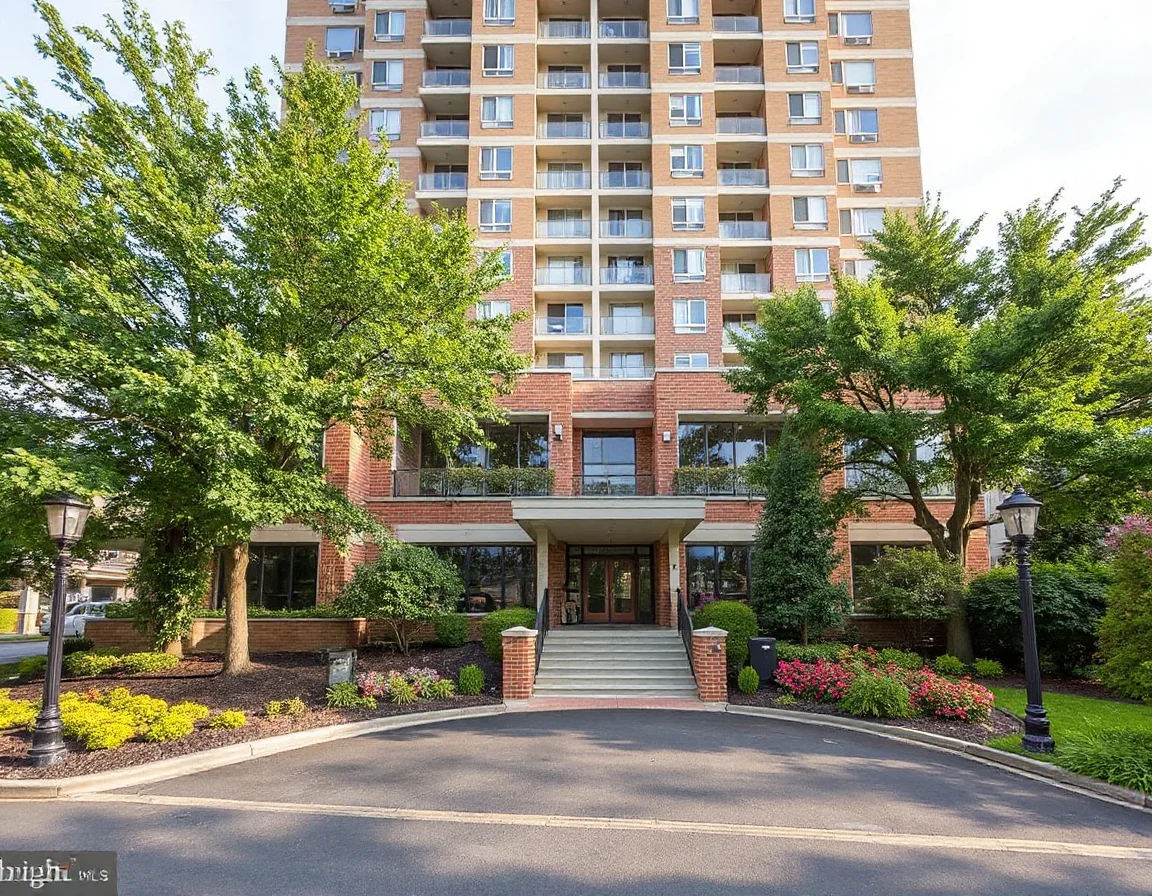
The monthly fee is not simply an extra line item. It is the shared-cost structure for the property. Depending on the building, it may include some combination of water, sewer, heating or cooling, building insurance, common-area electricity, exterior maintenance, landscaping, snow removal, trash service, building staff, security systems, parking, recreational amenities, and reserve funding. Some associations also include services that a buyer would otherwise pay for individually; others keep dues lower but leave more utilities and services to each owner.
Ask for the current fee, what it covers, how frequently it has changed, and whether there are separate charges for parking, storage, move-ins, amenities, or capital projects. A condo with a higher monthly fee may offer more included services or stronger reserves, while a lower-fee building may require owners to budget separately for more expenses. Neither structure is automatically better; the useful comparison is the total monthly outlay for the specific home.
When comparing Fort Lee condos, add the mortgage payment, estimated taxes, association fee, parking charges, insurance, and utilities before deciding which option fits your monthly budget.
Property taxes deserve their own review. In New Jersey, taxes are a material part of ownership costs and can vary significantly from one unit to another based on assessed value, exemptions where applicable, and municipal tax changes. Request the current annual tax figure for the exact unit rather than relying on a broad neighborhood estimate. If the property has been recently improved, reassessed, or converted, it is also sensible to ask how the tax history has changed over time.
What the Association Fee Can Tell You
Association documents provide a clearer view of a condo building than the fee alone. Buyers should review the budget, reserve balance, recent financial statements, meeting minutes, governing documents, insurance information, and any notices about pending work. These materials can reveal whether routine expenses are being covered, whether significant maintenance is anticipated, and whether the association has discussed a special assessment.
A special assessment is a one-time charge imposed on owners for a major expense not fully covered by the operating budget or reserves. Common examples may include façade work, elevator modernization, roof replacement, garage repairs, plumbing projects, or updates to shared mechanical systems. Large buildings can have substantial infrastructure, so a careful document review is particularly important before the attorney review period and inspection contingency deadlines pass.

Meeting minutes are often especially useful because they can show the practical topics owners and managers have recently discussed: repairs, staffing, parking procedures, insurance renewals, rule changes, contractor work, or planned capital improvements. Buyers can also ask whether there is ongoing litigation involving the association, whether the building has any known insurance concerns, and whether the lender has particular condominium approval requirements.
It is wise to distinguish between an association that is responsibly planning for future work and one that is deferring necessary maintenance. A healthy reserve fund does not guarantee that future expenses will never arise, but it can help reduce the likelihood that routine capital needs become an immediate unexpected charge. Your attorney, lender, inspector, and real estate professional can each contribute a different perspective during this review.
A complete condo document package can be as important as the unit itself: it explains the financial framework behind the building you are considering.
Insurance is another area where buyers should clarify responsibilities. The association generally carries a master policy for the building and common elements, but individual owners commonly need their own condominium policy for personal property, liability, interior improvements, and the portion of a loss assigned under the master policy deductible. Coverage needs vary by building and lender, so obtaining an insurance quote before closing can prevent a last-minute budget surprise.
One-Time Closing Costs to Budget For
Closing costs are separate from the down payment and monthly carrying costs. The exact total depends on the contract, financing, title work, lender, unit price, timing, and negotiated terms, but buyers should expect a collection of professional, lender, insurance, and building-related charges. A lender can provide a Loan Estimate early in the mortgage process, while a real estate attorney can explain transaction-specific fees and New Jersey customs.
- Lender charges: appraisal, credit review, underwriting, processing, points if selected, and prepaid interest.
- Title and legal expenses: title search, title insurance, recording-related charges, survey or municipal searches when required, and attorney fees.
- Prepaid items and escrow: property tax escrows, homeowner insurance premiums, and initial association-related prorations where applicable.
- Building and management fees: application charges, move-in deposits, document fees, transfer fees, elevator reservations, or administrative charges.
- Inspection costs: a general home inspection, plus specialized inspections when appropriate for the unit and building.
Fort Lee buildings may have distinct application, board review, move-in, renovation, and elevator-reservation procedures. These procedures can affect both the closing timeline and the first weeks of ownership. Confirm deadlines, required documents, payment methods, pet policies, lease rules, renovation hours, and move-in logistics before the final walkthrough. A carefully planned schedule is particularly helpful in buildings with limited loading access or required reservations.
Financing Details That Matter for Condos
Mortgage approval for a condominium usually involves both the buyer’s finances and a review of the project or association. Lenders may evaluate owner-occupancy levels, budget stability, reserves, insurance coverage, pending litigation, commercial space, delinquent association accounts, and whether the building meets the guidelines for the selected loan program. Starting the financing conversation before making an offer can help identify which buildings and loan structures are workable.
Buyers should also account for the association fee in their debt-to-income calculation. Even when a unit’s list price appears attractive, a sizeable fee can influence purchasing power and loan qualification. Conversely, a property with a higher purchase price and lower recurring costs may compare more favorably over time. Ask your lender to model several realistic options rather than focusing only on the maximum approval amount.
For cash buyers, the same discipline still applies. Reviewing carrying costs and association finances protects against underestimating the ongoing commitment. A cash purchase can remove mortgage costs, but it does not remove taxes, dues, insurance, utility costs, potential assessments, or the building’s rules governing ownership and use.
Learn more about buying a home
Make the Offer With Clear Numbers
A Fort Lee condo purchase is strongest when the budget accounts for the whole ownership experience: price, financing, taxes, association dues, insurance, utilities, closing costs, and building-specific charges. Before submitting an offer, gather the current monthly fee, tax bill, inclusions list, available association documents, and estimated lender costs. Then leave room for ordinary ownership expenses after closing.
Condominiums offer a wide range of layouts, views, amenities, and maintenance structures, and every building operates differently. Taking time to understand the documents and monthly numbers can make the comparison process far more straightforward. With a thorough review and the right professional guidance, buyers can move forward with a clearer picture of both the home and the financial commitments that come with it.