

The first week on the market often shapes how buyers, agents, and appraisers respond to a home listing. Pricing your Englewood property with current competition, condition, and buyer search behavior in mind can help generate stronger attention early instead of chasing the market later. A thoughtful launch strategy is usually less about guessing high and more about creating enough value to earn serious showings right away.
Why the First Week Matters So Much
When a home first appears online, it gets its freshest burst of attention. New listings often rise to the top of saved searches, email alerts, and agent dashboards, which means the opening days can deliver the highest concentration of views and showing requests. If the price feels aligned with what buyers are seeing elsewhere in Englewood, the home can benefit from that initial momentum instead of losing it.
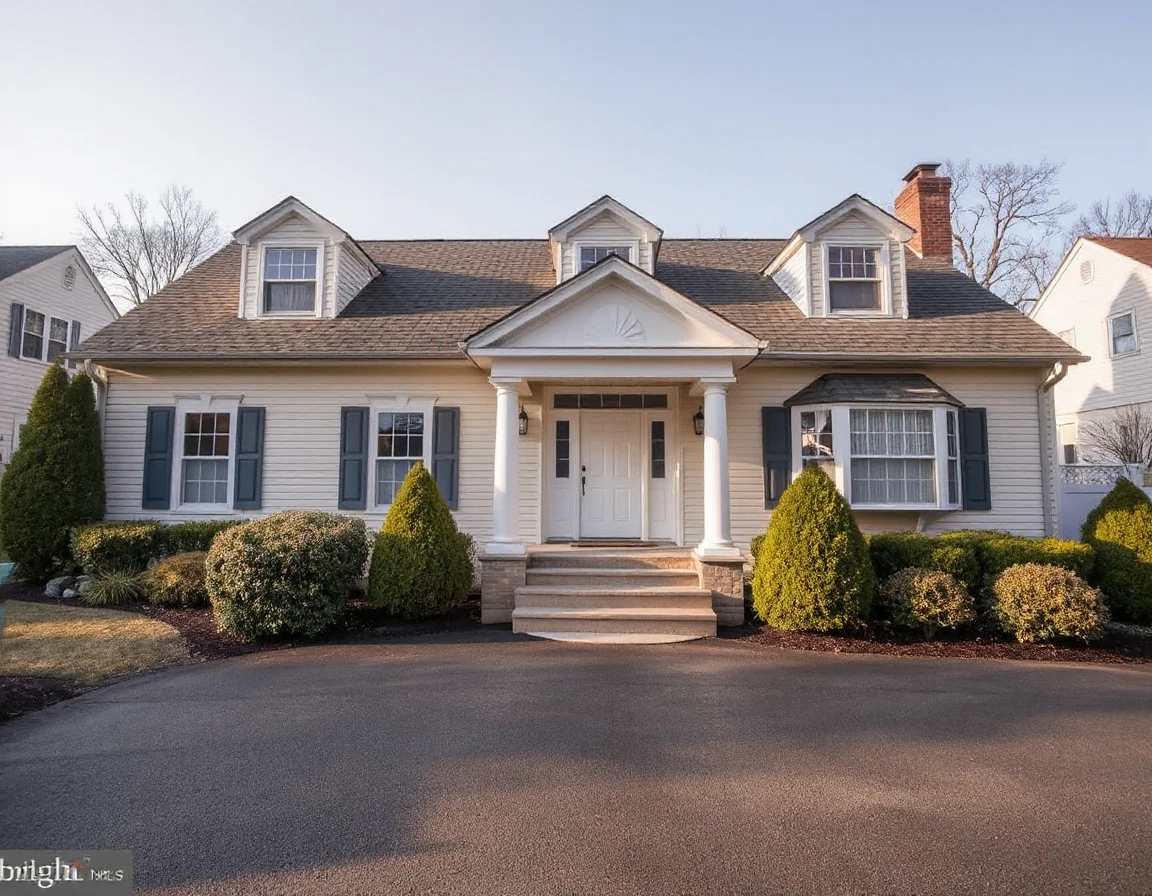
Many sellers are tempted to start high and “leave room to negotiate,” but the market does not always reward that approach. A home that sits through its first wave of exposure without enough activity can quickly appear stale, even if the property itself is appealing. Price reductions later may help, but by then the listing may have already missed the moment when interest was strongest.
A strong first-week response is often easier to create than to rebuild. The most productive pricing conversations usually happen before the listing goes live, not after a price cut becomes necessary.
In Englewood, that early response is influenced by more than square footage alone. Buyers compare lot size, updates, architectural style, taxes, layout, and overall presentation. A home with a renovated kitchen, modern systems, and polished staging may compete in a different lane than a similar-sized property that needs cosmetic or functional work. Good pricing recognizes those differences instead of relying only on broad averages.
Start With the Real Competition, Not Old Headlines
One of the most common pricing mistakes is using outdated market headlines or the highest sale from several months ago as the benchmark. A better approach is to study what buyers will compare your home against today. That means looking closely at active listings, homes that went under contract recently, and closed sales that reflect similar size, condition, and location within the local market.
Active listings show the alternatives buyers can tour right now. Pending listings reveal where buyers were willing to act. Closed sales help confirm the range the market has recently supported. Together, those three data points are far more useful than one standout sale that may have had unique features or timing advantages.
If your home is in a price band where buyers are especially comparison-driven, even a small pricing gap can affect traffic. For example, a listing priced just above a major search threshold may miss buyers who set automated limits online. Strategic pricing can help a home appear in more relevant searches without undercutting its value.
Condition, Presentation, and Price Work Together
Pricing is not separate from presentation. Buyers react to the full package they see in photos, virtual tours, showing feedback, and in-person visits. If a property is clean, bright, and ready to tour, it may support stronger pricing than a similar home with deferred maintenance or distracting personal clutter. The number on the listing should reflect what the market is actually experiencing, not just what the seller hopes the property communicates.

This is especially true for homes that fall into categories like single-family residences, condominiums, rentals converted for sale, or luxury properties, where buyer expectations can vary widely by price point. In some cases, simple improvements such as paint touch-ups, lighting updates, refreshed landscaping, and professional photography can strengthen the launch enough to support a more confident ask.
On the other hand, if a home needs updates, pricing ahead of that reality can reduce showing volume. Buyers often build repair and renovation costs into their offers quickly, and they are usually comparing your property to nearby options that may already have those improvements completed. A smart price can acknowledge condition honestly while still highlighting the home's strengths.
Presentation does not have to mean a full remodel. Small, visible improvements made before launch can sharpen perceived value and help buyers focus on the home itself rather than a project list.
In practical terms, the strongest first-week strategy is often a combination of accurate pricing, polished marketing, and launch-day readiness. That includes photos, floor plans if available, listing details, showing access, and a clear understanding of where the home fits among competing options.
How to Read Early Market Feedback
Once the listing is live, the first several days provide useful signals. Online saves, showing requests, agent comments, and repeat questions from buyers can tell you whether the price is landing well. Strong online traffic with very few showings may suggest that the home looks appealing but buyers see better value elsewhere. A healthy number of showings with no offers can point to a price, condition, or expectation mismatch that becomes clearer in person.
Feedback should be interpreted carefully. One buyer's opinion is just one data point, but patterns matter. If multiple visitors mention layout limitations, dated finishes, or better-priced alternatives nearby, that information can help shape a fast and informed adjustment. Sellers who respond early often preserve more leverage than those who wait through several slow weeks.
At the same time, overreacting too quickly can create confusion. The goal is not to chase every comment, but to compare the response level against the amount of exposure the listing is receiving. If the home has broad visibility and still isn't producing meaningful interest, the market may be telling you the price needs attention.
Learn more about pricing to sell
What Strong Pricing Looks Like in Englewood
Strong pricing does not necessarily mean pricing low. It means pricing at a level where buyers feel they need to act rather than wait. In Englewood, that usually comes from understanding the current inventory mix, the condition of nearby listings, and the pace at which similar homes are moving. A well-priced home can create urgency because it feels competitive the moment buyers compare it to other available choices.
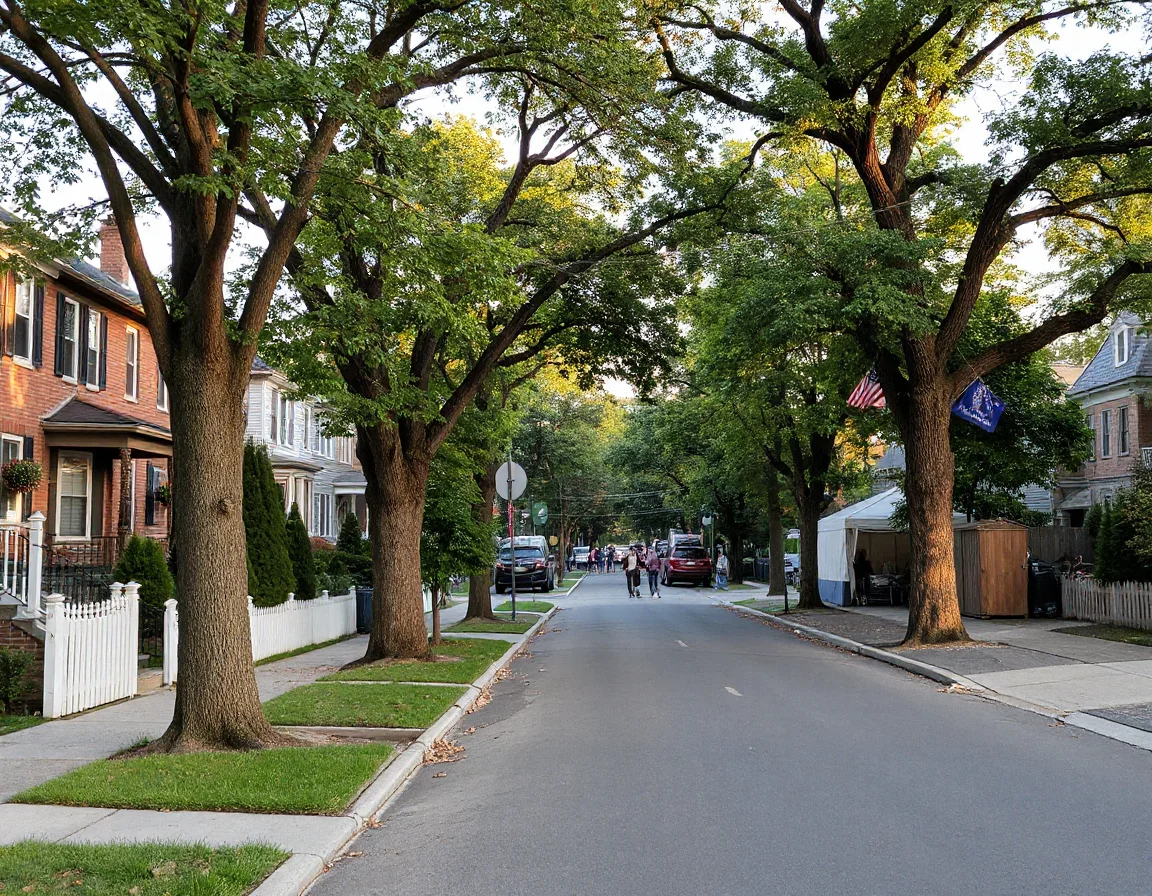
That may mean positioning slightly below a crowded price cluster, leaning into a clean round number that captures more search activity, or recognizing when a premium is justified because the property offers a rare combination of updates, lot characteristics, or design appeal. It is less about a formula and more about market fit.
Sellers also benefit from remembering that buyers are not evaluating the home in isolation. They are looking at monthly carrying costs, likely maintenance, and the choices they can make across nearby communities and property types. The more clearly your price answers the question of value, the easier it becomes for buyers to move from interest to action.
In the end, the first week is your best chance to capture fresh attention and convert it into meaningful activity. If your goal is a strong launch, price should support curiosity, confidence, and comparison-driven value from day one. That approach gives your Englewood home the best opportunity to stand out for the right reasons.