
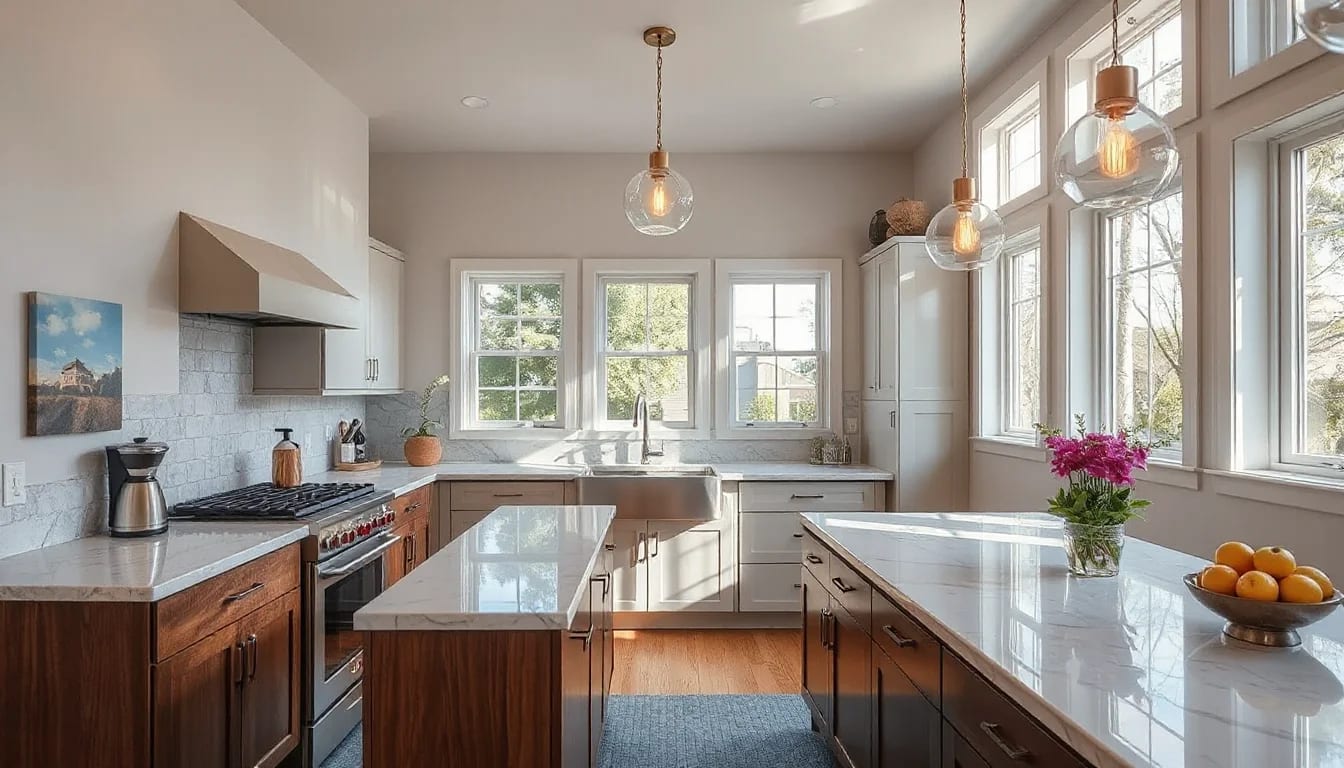
Smart pre-sale maintenance is not about turning every room into a renovation project. It is about protecting the value already built into your single-family home, reducing buyer uncertainty, and presenting a property that feels cared for from the first online photo through the final walk-through. Start with the systems and details that buyers, inspectors, and appraisers notice most.
Start With the Maintenance That Protects Value
When preparing to sell, it can be tempting to focus entirely on paint colors, furniture placement, and listing photos. Those details matter, but a well-maintained home begins behind the scenes. A dripping pipe, loose handrail, aging caulk line, clogged gutter, or neglected heating system can create questions that feel larger than the repair itself. Buyers often use visible maintenance issues to estimate what they cannot see, so completing practical repairs before listing can make the entire property feel more dependable.
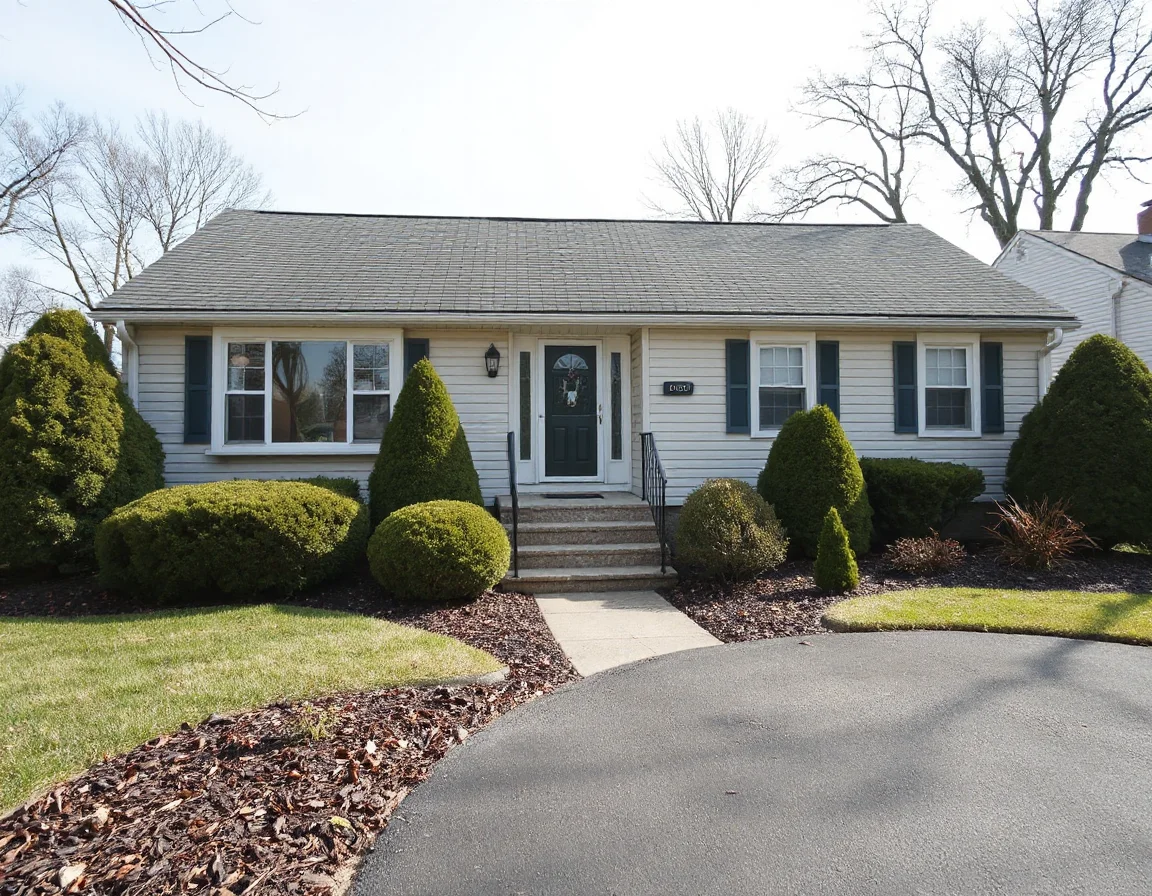
Begin with a room-by-room and exterior walk-through. Make notes as though you were seeing the property for the first time. Check doors for smooth operation, replace burned-out bulbs, test exhaust fans, tighten cabinet pulls, and look for water staining around sinks, ceilings, and windows. Outside, inspect walkways, steps, railings, grading, gutters, siding, and visible roof areas. Small corrections are usually more manageable before a listing goes live than when they surface during negotiations.
Seasonal service records can also be valuable. If the HVAC system has been inspected, the chimney has been serviced, or the roof has received routine care, gather receipts and documentation in one place. Records do not replace an inspection, but they help demonstrate a pattern of responsible ownership. The same is true for permits, warranties, appliance manuals, and invoices for larger completed work.
A short repair list completed before photography can prevent minor flaws from becoming the visual focus of a listing, a showing, or an inspection report.
Prioritize repairs by impact rather than emotion. Health-and-safety items, active leaks, electrical concerns, drainage problems, and malfunctioning systems should come first. Next, address visible wear that affects the home’s overall presentation: peeling paint, cracked grout, damaged screens, loose fixtures, or deteriorated weatherstripping. A buyer may expect normal wear in an existing home, but they also want a clear sense of what has been maintained and what may need attention after closing.
Make the Exterior Feel Intentional and Ready
Curb appeal is not limited to landscaping. It is the first indication of how the entire property may have been cared for. A clean exterior gives buyers a chance to focus on the architecture, lot, natural light, and layout rather than on deferred chores. The goal is not to create a generic look; it is to highlight the home’s best existing features with tidy, consistent maintenance.
Wash or gently clean exterior surfaces as appropriate for the material, clear gutters and downspouts, remove dead plant material, and define planting beds with fresh mulch where needed. Repair uneven pavers, secure loose railings, and make sure house numbers, exterior lights, and the front entry are easy to see. If exterior paint is worn in isolated areas, touch-ups may be sufficient; if widespread peeling or moisture damage is present, seek professional guidance before deciding on a larger project.
Pay particular attention to water management. Downspouts should direct water away from the foundation, and visible grading should not channel runoff toward the home. These are not cosmetic details. Water is one of the most common concerns raised during inspections, and addressing simple drainage issues early may reduce unnecessary uncertainty later. If there is a history of water entry or a significant repair, accurate disclosure and supporting documentation are important.
A clean, functional outdoor area can also help visitors understand how the property connects from inside to outside. Keep decks, patios, porches, and pathways clear enough to show their usable footprint. Replace visibly damaged boards, clean outdoor furniture if it will remain for showings, and remove items that crowd the view of the yard or entry. Thoughtful maintenance lets the setting speak for itself.
Learn how preparation and pricing work together
Focus on High-Visibility Rooms Without Over-Renovating
Kitchens and bathrooms are often closely examined because they combine many surfaces, fixtures, and systems in a compact space. Fortunately, many of the most effective updates are modest. Clean grout, fresh caulk, working cabinet hardware, quiet exhaust fans, sealed sink edges, and leak-free plumbing can make a substantial difference in how these rooms are perceived. If a fixture is dated but functioning well, cleaning and proper lighting may accomplish more than a rushed replacement.
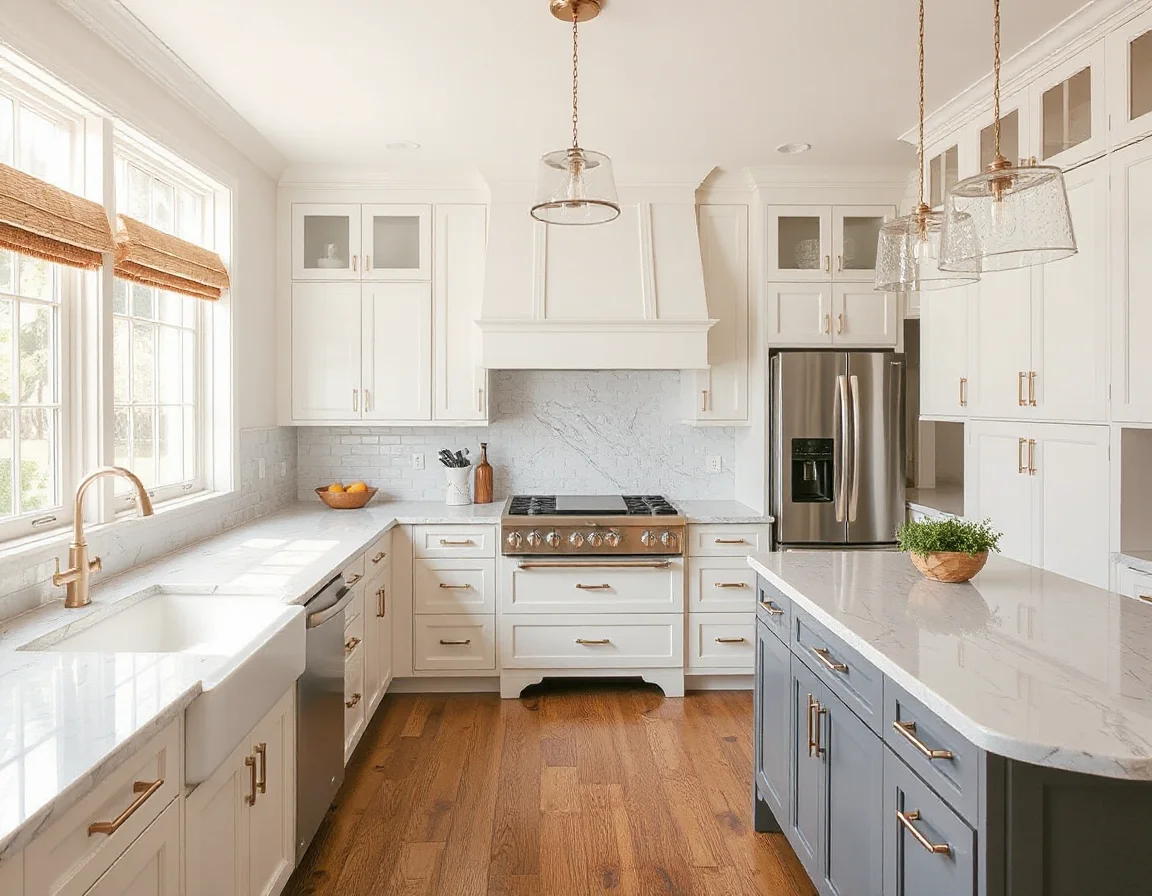
In the kitchen, test each appliance and confirm that cabinets and drawers open smoothly. Replace an obviously broken dishwasher rack, missing outlet cover, or cracked switch plate before showings. Remove magnets, appliance manuals, excess countertop equipment, and expired items from visible shelving. These steps are simple, but they create a cleaner impression of storage, workspace, and ongoing care.
Bathrooms benefit from the same approach. Repair slow drains, re-secure towel bars, replace discolored silicone, and make sure toilets do not run. Use matching towels and simple accessories to keep the room orderly, but avoid covering up problems with temporary fixes. Buyers and inspectors are more comfortable when a home’s condition is presented clearly and honestly.
Do not assume a major renovation is always the best pre-sale decision. Large projects involve cost, timing, material choices, and disruption, with no guarantee that every dollar will be returned. In many cases, a strategic combination of repair, cleaning, paint touch-up, and professional guidance offers a stronger result. Before committing to extensive work, consider the home’s condition, competing inventory, local buyer expectations, and the likely listing timeline.
The best pre-sale projects reduce doubt: fix what is broken, refresh what is visibly worn, and avoid spending heavily on changes that may not fit the market or the home’s price range.
Prepare for Inspections With Clarity, Not Guesswork
An inspection is a detailed assessment, not a pass-or-fail test. Nearly every home will have findings, even a recently updated one. The most productive preparation is to make accessible areas easy to review and to resolve known issues that could distract from the overall property. Clear access to the electrical panel, attic entry, furnace, water heater, crawl space, and major mechanical equipment when applicable.
Replace filters, label spare keys, and ensure detectors are functioning. If you have a repair history involving the roof, foundation, chimney, HVAC, plumbing, or electrical system, organize the relevant paperwork before requests arrive. Being prepared can make the transaction feel more orderly and helps everyone evaluate facts rather than assumptions.
It is also wise to discuss disclosure requirements with a qualified real estate professional and, when appropriate, a legal or technical advisor. Transparency is important. A repaired issue should not be hidden; it should be accurately represented with useful supporting information. Buyers can make more confident decisions when the condition and maintenance history are explained clearly.
Understand market value before planning major updates
Finish With a Practical Pre-Listing Plan
A successful maintenance plan does not need to happen all at once. Start several weeks before the anticipated listing date, then work in order: safety and water issues first, mechanical maintenance next, visible repairs after that, and cleaning and presentation at the end. Keep a simple checklist, save receipts, and revisit each space after repairs are complete. Fresh eyes often catch small details that are easy to overlook when you live in the home every day.
Before photos and showings, open blinds, replace inconsistent light bulbs, clean windows, and reduce visual clutter. The result should feel lived-in but orderly, polished but not artificial. Careful maintenance communicates that the home has been respected, while a measured approach to updates helps protect your budget. When it is time to sell, that combination can support a stronger presentation, smoother conversations, and a more confident path toward the next move.