
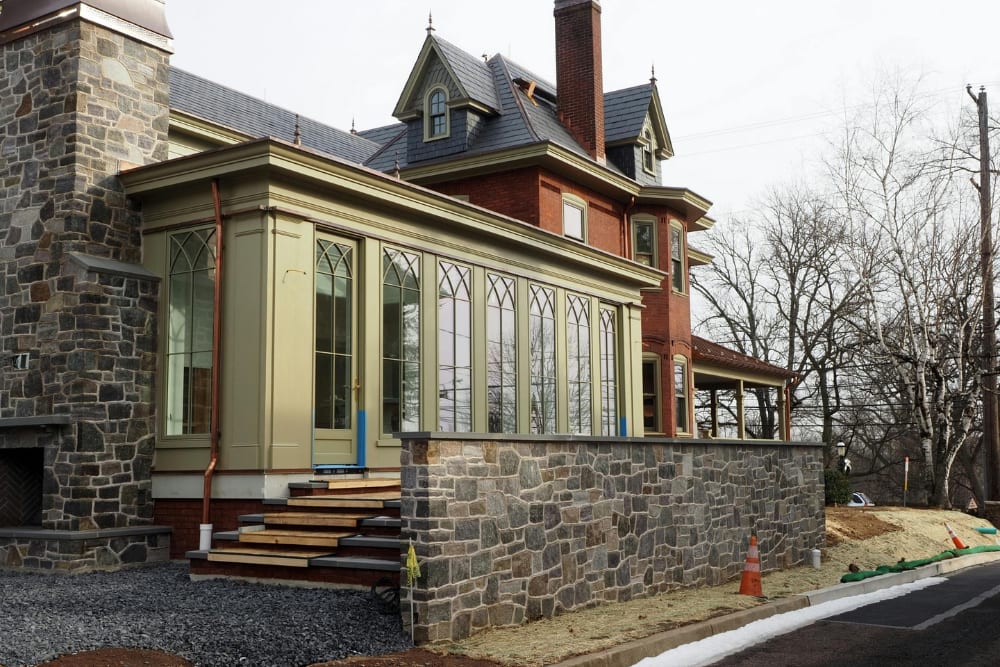

Historic homes hold a timeless charm that continues to captivate buyers and real estate enthusiasts in today’s fast-paced world. These properties tell stories of the past, showcasing architectural details and craftsmanship rarely found in modern builds. Yet, they also present opportunities for blending tradition with contemporary living, creating unique spaces that honor history while embracing modern convenience. In this blog, we’ll explore how historic homes thrive in the modern era, why they remain highly sought-after, and how buyers can navigate the market to find their dream property.
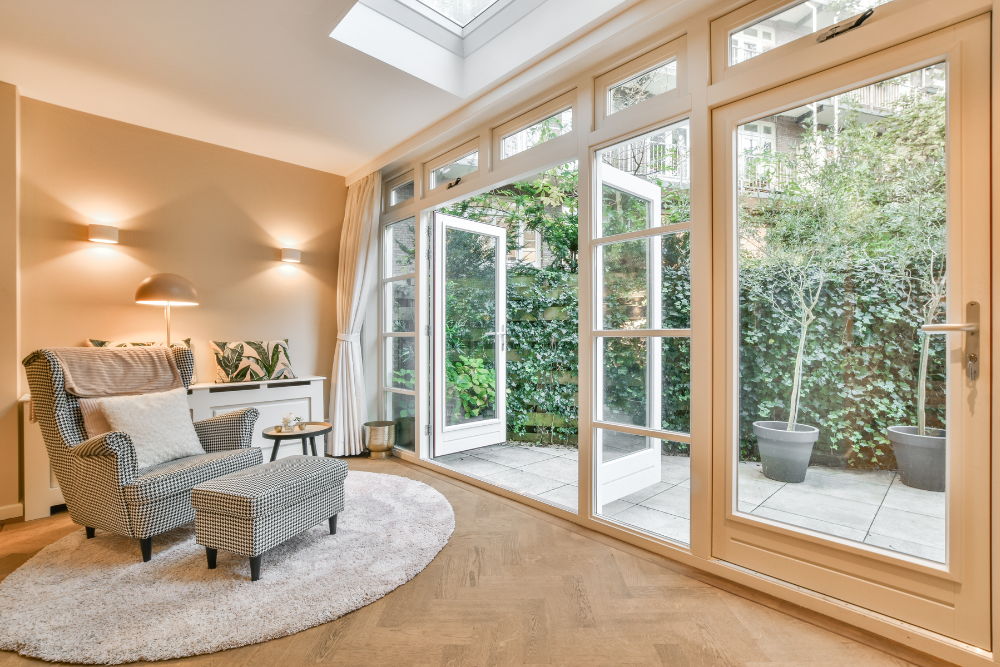
Preserving Architectural Heritage in Real Estate
Historic homes are more than just residences; they are cultural landmarks that reflect the architectural styles of their time. From Victorian mansions with ornate woodwork to Colonial homes with symmetrical facades, these properties embody craftsmanship that has stood the test of time. Realtors specializing in historic homes often highlight features such as original hardwood floors, stained glass windows, and intricate moldings that distinguish these properties from newer builds.
Preservation is key in maintaining the value of historic homes. Buyers are increasingly drawn to properties that retain their authenticity while offering modern upgrades. Renovations that respect the original design—such as restoring fireplaces or maintaining period-specific details—help preserve the home’s character. At the same time, integrating modern amenities like updated kitchens, smart home technology, and energy-efficient systems ensures that these homes remain functional in today’s lifestyle-driven market.
For real estate investors, historic homes represent a niche market with strong appeal. Their rarity often translates into higher demand, especially in locations known for their heritage districts. Cities with established preservation programs, such as Charleston, Savannah, or Boston, attract buyers who value both history and community identity. Realtors in these markets emphasize the importance of balancing preservation with modernization to maximize property value.

Modern Living Meets Historic Charm
One of the most compelling aspects of historic homes is their ability to merge old-world charm with modern convenience. Buyers often seek properties that offer the aesthetic appeal of history without sacrificing comfort. For example, a Georgian-style home may feature original brickwork and grand staircases, while also boasting renovated bathrooms, open-concept layouts, and high-speed internet connectivity.
This blend of past and present creates a lifestyle that is both unique and practical. Homeowners can enjoy the romance of living in a property with historical significance while benefiting from modern upgrades that support contemporary living. Realtors often market these homes by highlighting their “best of both worlds” appeal—classic architecture paired with modern amenities.
Additionally, historic homes often sit in prime locations, close to city centers, cultural institutions, and established neighborhoods. This makes them attractive to buyers who value accessibility and community engagement. In many cases, these homes are part of historic districts that offer walkable streets, boutique shops, and vibrant local culture, further enhancing their desirability.
For families, historic homes provide a sense of stability and tradition. They often come with larger lots, mature landscaping, and unique layouts that differ from cookie-cutter suburban builds. For professionals, they offer prestige and individuality, serving as both a residence and a statement of personal style.

Navigating the Market for Historic Homes
Buying a historic home requires careful consideration and guidance from experienced realtors. Unlike newer properties, historic homes may come with specific regulations, such as preservation guidelines or restrictions on renovations. Realtors play a crucial role in helping buyers understand these requirements and ensuring compliance with local ordinances.
Financing can also differ for historic properties. Some buyers may qualify for tax incentives or grants aimed at preserving heritage homes. Realtors knowledgeable in this niche market can guide clients through these opportunities, making ownership more accessible.
Another important factor is maintenance. Historic homes often require specialized care, from roof repairs to foundation work. Buyers should be prepared for ongoing upkeep, but many find the investment worthwhile given the property’s unique character and long-term value. Realtors often connect buyers with contractors experienced in historic renovations to ensure quality work that respects the home’s integrity.
Marketing historic homes also requires a tailored approach. Realtors emphasize storytelling, showcasing the property’s history, architectural details, and community significance. High-quality photography, virtual tours, and descriptive listings help capture the essence of these homes, appealing to buyers who value both aesthetics and heritage.
Ultimately, navigating the market for historic homes is about finding the right balance between appreciation for history and readiness for modern living. With the right realtor, buyers can discover properties that not only meet their practical needs but also fulfill their desire for a home with character and legacy.
Historic homes in a modern era represent more than just real estate—they embody culture, craftsmanship, and community. By blending preservation with modernization, these properties offer a lifestyle that is both timeless and contemporary. Whether you’re a buyer seeking a unique residence or an investor exploring niche markets, historic homes provide opportunities that go beyond the ordinary.