
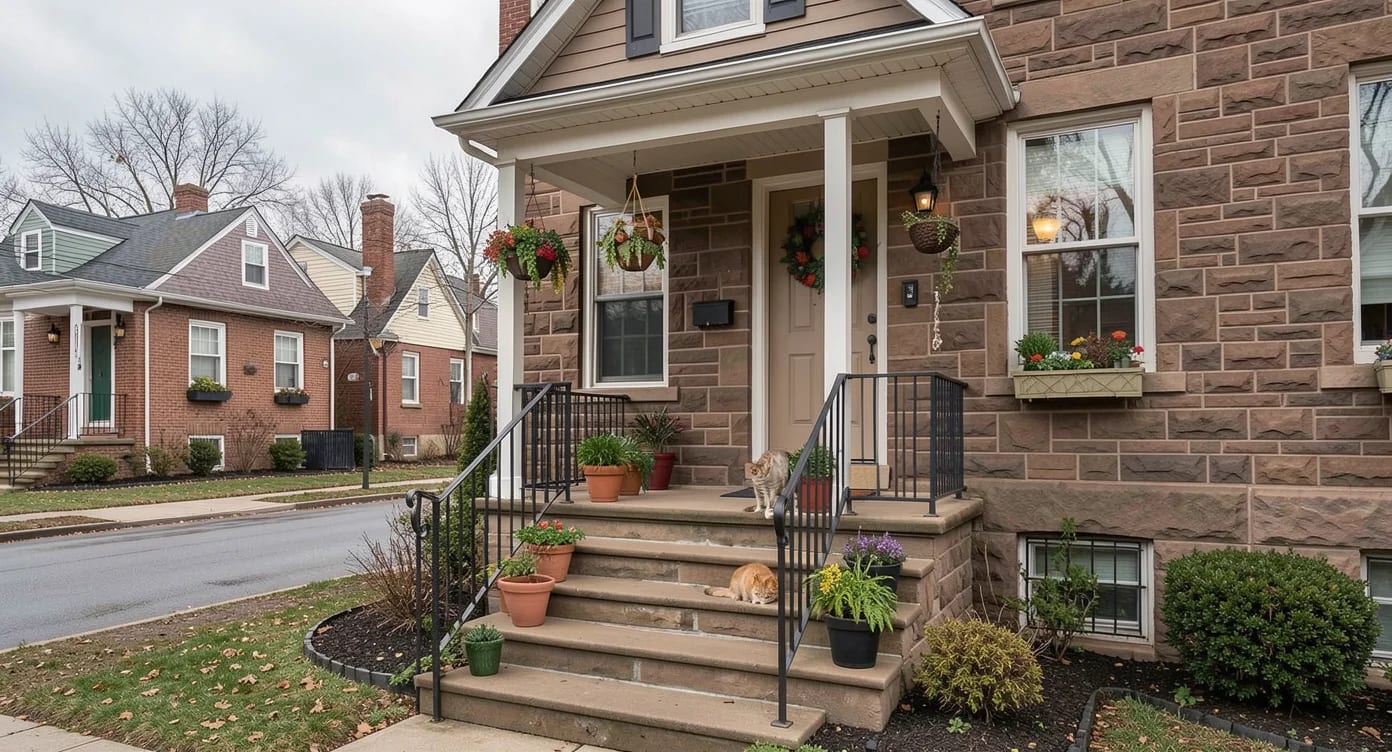
A home inspection can reveal more than a list of repairs: it can help you understand the cost and responsibility of owning a particular home. In Tenafly, pay close attention to water intrusion, the roof, major systems, and any findings that call for a specialist before your contract deadlines expire.
Look beyond the finishes
A bright kitchen and a freshly painted living room can make a strong first impression, but the less visible parts of a home deserve just as much attention. An inspection gives you a chance to examine the property’s condition, ask questions, and decide which concerns need further investigation. Even a well-maintained home can have aging components or issues that are not obvious during a showing.
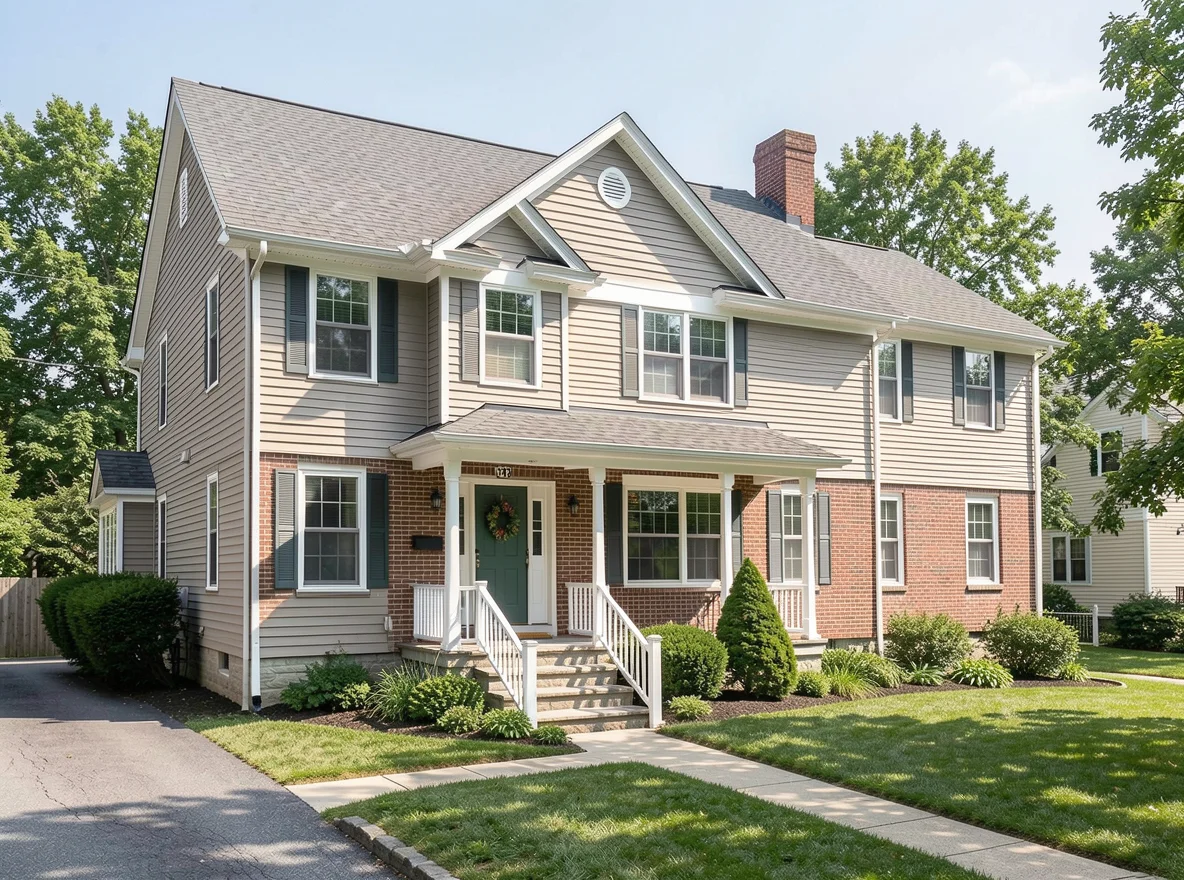
Before scheduling, review your contract and any attorney-review modifications with your real estate attorney and agent. Confirm the inspection deadline, how notices must be delivered, and whether there is time for follow-up evaluations. Hire a New Jersey-licensed home inspector, and ask what the inspection covers, what it excludes, and when you can expect the report.
If possible, attend the inspection. Seeing a concern in person makes it easier to understand whether it is a maintenance item, an immediate repair, or a question for another professional. Inspectors generally evaluate accessible, visible conditions; they cannot see behind every wall or guarantee that a hidden problem does not exist.
As you read the report, distinguish an observation from a diagnosis. A stain may suggest a past or current leak, but identifying its source and cost can require more work. Ask the inspector which findings warrant prompt attention and which can reasonably be monitored.
Moisture, drainage, and the foundation
Water is one of the most important issues to investigate because its effects can extend beyond the original entry point. Look closely at the basement or crawl space, where staining, musty odors, damp materials, or a dehumidifier running continuously may prompt further questions. None of these signs alone establishes the cause or extent of a problem.
Outside, examine how water is directed away from the house. Disconnected downspouts, clogged gutters, or grading that slopes toward the foundation can contribute to moisture concerns. Ask whether the inspector can identify the likely route of water and whether a drainage contractor or other specialist should evaluate it.
A dry basement on inspection day does not rule out intermittent water intrusion. Ask about prior seepage, review available disclosures, and consider the property’s drainage as well as any visible staining.
Foundation cracks also deserve context. Small cracks are not automatically evidence of structural failure, while movement, displacement, or related signs may call for an assessment by a structural engineer. Avoid treating a cosmetic patch as proof that the underlying cause has been resolved; request documentation of prior work when available.
Roofing and exterior red flags
The roof, flashing, siding, and gutters work together to keep water out. Ask about visible wear, damaged or missing shingles, deteriorated flashing, and signs of leakage in the attic or around ceilings. The inspector may have limitations on roof access, so understand whether the assessment was made from the ground, a ladder, or another accessible vantage point.
A seller’s estimate of the roof’s age can be useful, but paperwork is better when available. Ask for invoices, warranty details, and records of repairs or replacement. If the inspector identifies significant wear or cannot fully evaluate the roof, a qualified roofer can help determine the likely scope and cost of work.
Pay attention to the rest of the exterior, too. Rot near trim, poorly sealed penetrations, or deteriorated masonry can allow water to reach materials beneath the surface. A localized repair may be manageable, but a pattern of moisture damage deserves a closer look before you assume the issue is limited to what is visible.
Electrical, plumbing, and heating systems
Major systems affect both the immediate repair budget and the longer-term cost of ownership. Ask the inspector about the condition and apparent age of the electrical panel, wiring, plumbing, heating, and cooling equipment. A system that operates during the visit may still be near the end of its useful life or need a more detailed evaluation.
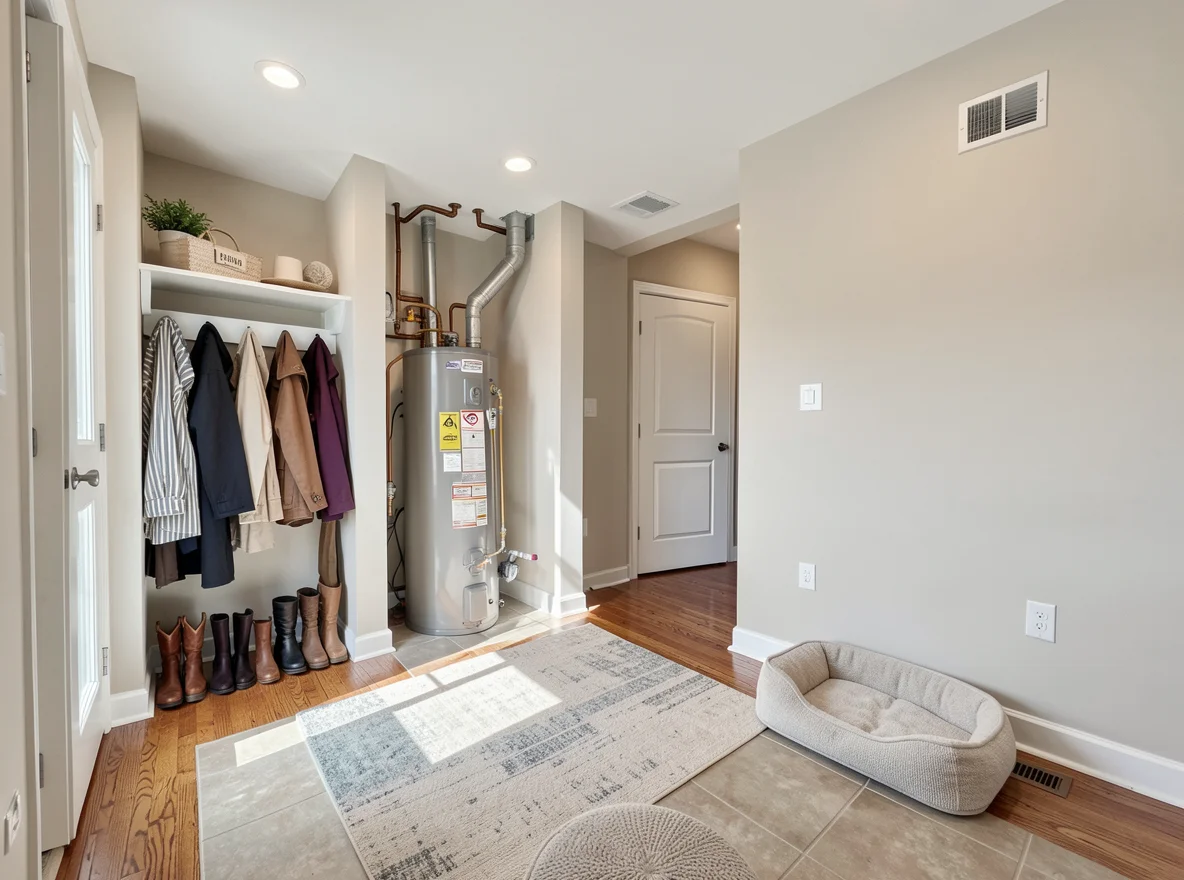
Electrical concerns may include exposed wiring, improper modifications, or a panel that a licensed electrician should examine. For plumbing, look for active leaks, corrosion, slow drains, or signs of previous repairs. The inspection is a starting point, not a substitute for a specialist who can investigate a particular defect and provide a repair proposal.
For heating and cooling equipment, request service records and ask whether the system could be tested under the conditions on inspection day. Testing may be limited by weather, access, or the equipment’s condition. A qualified HVAC contractor can review concerns, discuss remaining serviceability, and estimate repair or replacement costs.
Some important components are outside a standard visual inspection. Depending on the property, you may want to discuss a sewer-line camera inspection, an underground oil-tank search, or other specialized evaluations with your inspector and attorney. Ask what each service includes and whether it can be completed within your contractual window.
Testing, estimates, and your next decision
Discuss radon testing and any other property-specific tests with your inspector. The U.S. Environmental Protection Agency recommends taking action to reduce radon at levels of 4 picocuries per liter or higher; your testing professional can explain the results and appropriate next steps. If a property has a private well or septic system, ask your attorney and qualified professionals which inspections, tests, or transaction requirements apply.
Once the report arrives, make a short list of issues that could affect safety, function, or your budget. Obtain written estimates from qualified contractors where practical, including the scope of work, assumptions, and any areas they could not inspect. An estimate is not a guarantee, but it can help you compare a proposed repair with a credit or a price adjustment.
A finding that needs a specialist is also a scheduling issue: arrange the follow-up promptly so you can review its results before the applicable contract deadline.
Your attorney can explain the options available under your agreement, which may include requesting repairs, negotiating a credit, or exercising a contractual right to cancel when applicable. The seller does not have to agree to every request, and the outcome depends on the contract and negotiations. If a repair is agreed upon, clarify who will perform it, what documentation will be provided, and how you will verify the work before closing.
Explore home inspection resources
Keep the whole purchase in view
Inspection findings are only one part of the decision. Consider the purchase price alongside closing costs, financing terms, property taxes, and a reserve for future maintenance. Confirm with your lender whether a proposed credit is permitted and how it would be handled at closing; it may not function like cash available for repairs after you move in.
For sellers, organizing permits, service records, and documentation of completed work can make it easier to answer questions when a buyer’s inspection takes place. For buyers, the goal is not a flawless report. It is a clear understanding of the property, the likely next steps, and the financial tradeoffs before you commit.
As you compare homes in Tenafly, give each property the same careful review, regardless of how polished it looks during a showing. Philip D Soo can help you navigate the broader buying process while your inspector, contractors, lender, and attorney address their respective areas of expertise.