
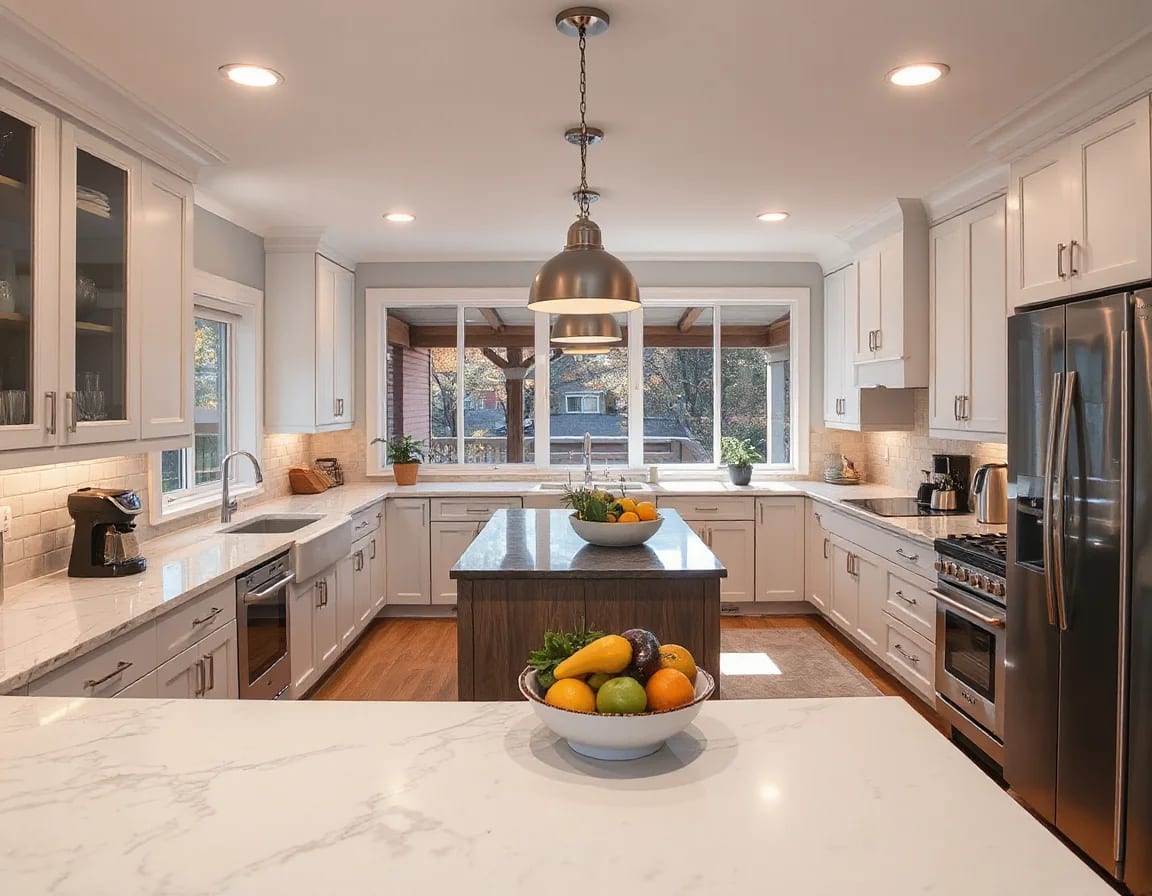
A strong virtual tour does more than display rooms: it helps buyers understand a home’s flow, features, and condition before scheduling an in-person visit. When the tour, photography, pricing, and listing details work together, a property can earn more informed attention and build useful early momentum.
Why a Virtual Tour Changes the First Impression
For many home buyers, the first showing happens on a screen. They may be comparing several properties between meetings, revisiting details after dinner, or sharing a listing with another decision-maker in a different location. A virtual tour gives those buyers a way to move through the home at their own pace rather than relying only on a handful of still photos. It can turn a quick listing view into a longer, more focused visit.
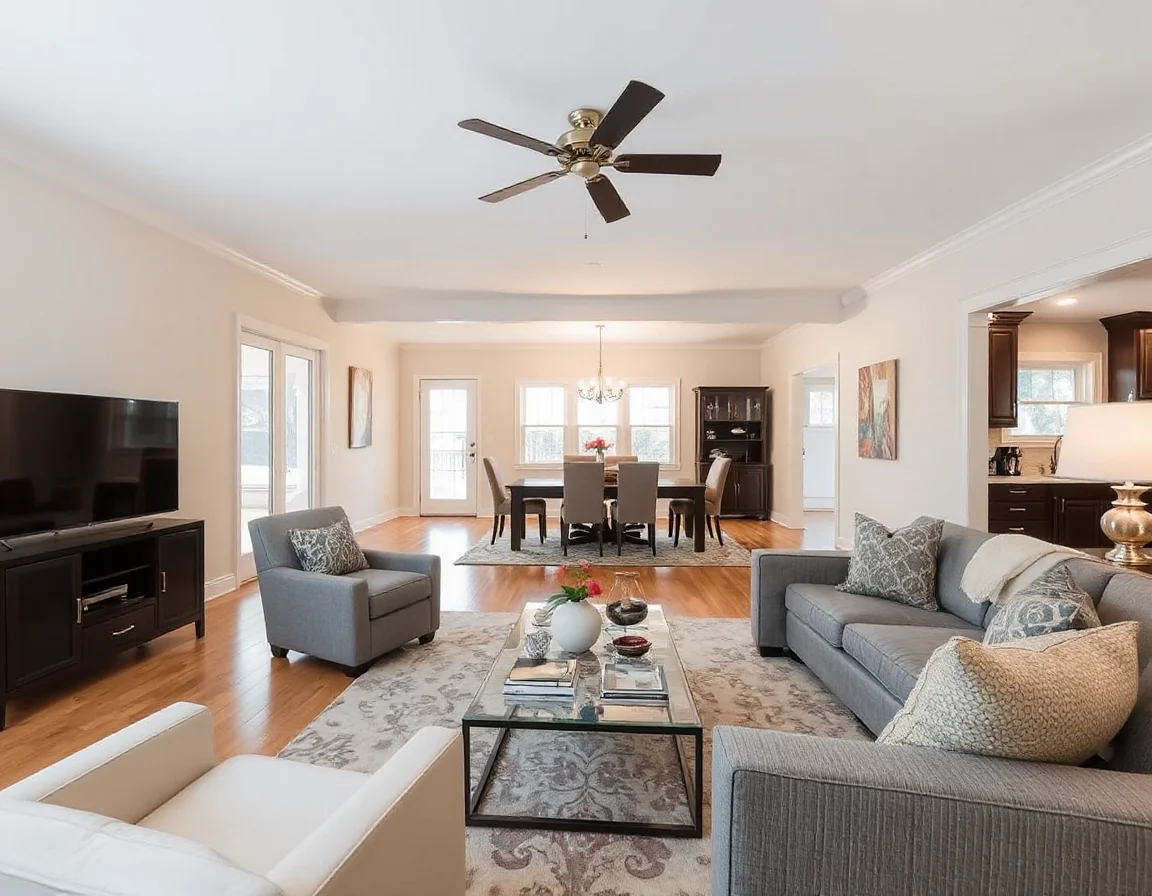
Still photography remains essential, especially for highlighting architectural details, light, outdoor spaces, and key rooms. But photos are selective by nature. A well-produced tour adds context by showing how spaces connect: the relationship between the entry and living area, the route from kitchen to patio, the placement of bedrooms, or the amount of usable floor area around an island or dining table. That context can help a buyer decide whether the home deserves a closer look.
The benefit is not simply more time spent online. It is better-quality attention. A buyer who has explored the property virtually may arrive at an in-person showing with specific questions about storage, updates, lot features, mechanical systems, or the condition of finishes. That is a more productive starting point than trying to establish the basic layout during a rushed first visit.
A virtual tour should answer the questions photos cannot: where rooms connect, how circulation works, and what the home feels like from one space to the next.
Virtual access can also make a listing easier to revisit. Buyers often review homes more than once, and a tour allows them to return to a kitchen, compare room proportions, or verify a detail they noticed in the listing description. This repeat engagement can keep a property in consideration as buyers narrow their options.
What Makes a Tour Worth Watching
Not every digital walkthrough creates the same response. The most useful tours begin with preparation. Before filming, sellers should remove everyday distractions, open window coverings where appropriate, turn on consistent lighting, and make sure counters, floors, and visible storage areas are presented clearly. The goal is not to make a home look unfamiliar or artificial; it is to make its best features easy to understand.
A thoughtful tour follows a natural path through the property. It should begin with an orienting view, then move logically through main living spaces, bedrooms, bathrooms, outdoor areas, and distinctive features. Abrupt transitions or rapid camera movement can make it difficult to understand scale. A calm, steady presentation gives buyers time to notice room relationships and lets the home’s layout do the work.
Accuracy matters as much as polish. A virtual tour should portray the property honestly, including its proportions, sightlines, and current condition. Overly filtered images, heavily edited views, or a tour that avoids major parts of the home can lead to confusion later. Clear expectations help attract buyers whose interest is based on what the property actually offers.
- Start with a clean, welcoming entry: It establishes the flow of the tour from the first moments.
- Keep pathways open: Buyers should be able to read the dimensions and movement through each room.
- Highlight functional details: Cabinet storage, work surfaces, closet organization, and outdoor access often matter as much as decorative finishes.
- Show the full story: Include the rooms and features buyers will want to evaluate before arranging a visit.
For properties with a distinctive kitchen, renovated bath, finished lower level, flexible work area, or landscaped outdoor setting, a virtual tour can provide the continuity that isolated photos may miss. It lets viewers see not just a feature, but how that feature fits into daily use of the home.
Explore homes with virtual tours
Momentum Comes From a Complete Listing Experience
A virtual tour is most effective when it is part of a coordinated listing strategy. High-quality photography, an accurate description, room dimensions when available, property disclosures, and a clear showing plan all contribute to buyer confidence. Each element should reinforce the same message: this is a well-presented home with information available for a serious evaluation.
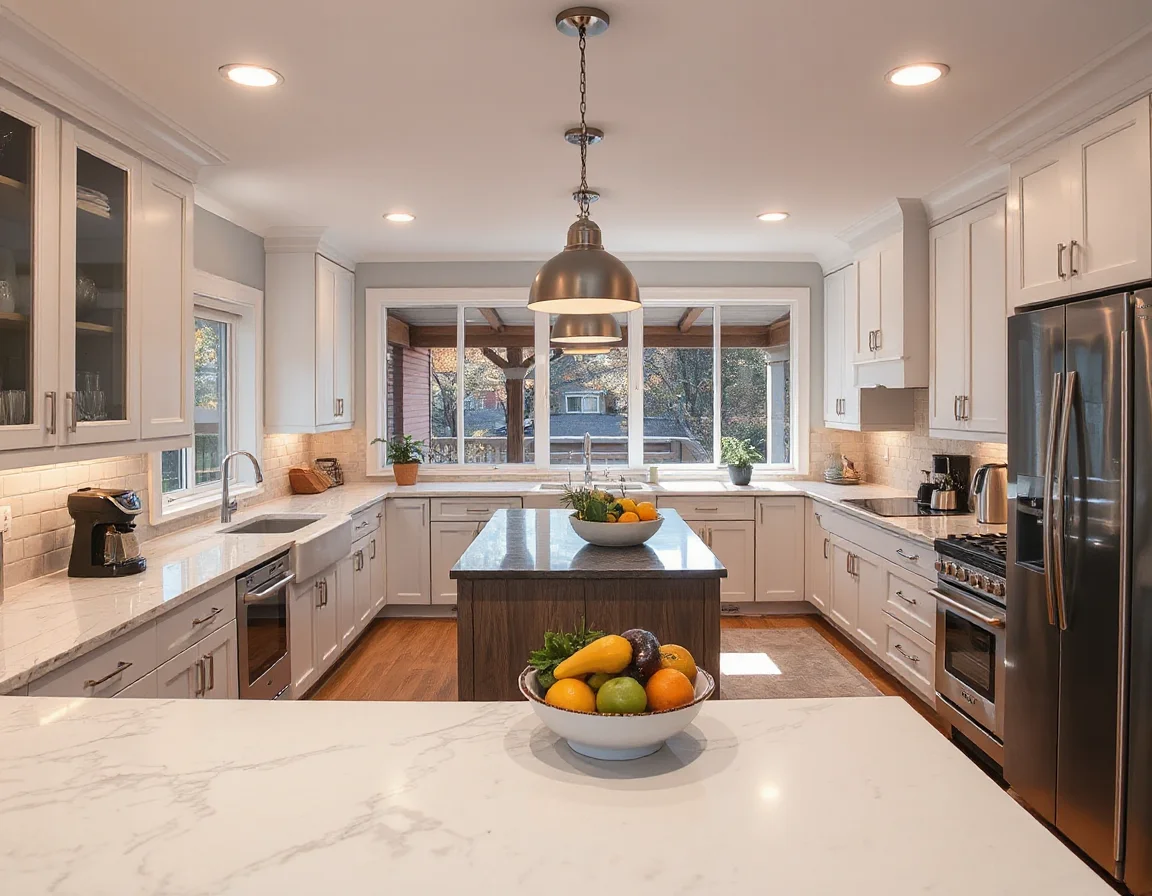
Early listing momentum often depends on clarity. When buyers can quickly locate the information they need and get a meaningful sense of the home online, they can decide whether to arrange an in-person showing with greater confidence. This does not replace an on-site visit, where buyers can evaluate condition, surroundings, sound, natural light at a particular time of day, and other firsthand impressions. Instead, it makes that visit more purposeful.
For sellers, that can mean fewer showings from people who are only beginning their search and more conversations with buyers who have already engaged with the home’s layout and features. Every property is different, and no marketing tool guarantees an offer or a particular result. Still, a complete virtual presentation can widen access to the listing and help interested buyers stay connected during a busy search process.
Timing also matters. A tour should be complete before the listing goes live whenever possible, so the first group of online viewers sees the strongest, most consistent presentation. Launching with polished visuals, accurate information, and a ready-to-share tour creates a more organized experience from day one.
The strongest launch is coordinated: professional visuals, a tour that reflects the real layout, clear listing information, and a showing plan ready when interest arrives.
Preparing for an In-Person Showing
Virtual tours work best as an introduction, not a substitute for due diligence. Buyers should still schedule an in-person visit when a property appears to fit their needs, review relevant documents, and ask questions about updates, systems, maintenance, and the terms of a potential purchase. The tour simply helps them use their time more effectively before taking that next step.
Sellers can prepare by thinking like a first-time visitor. Is the entrance clear? Are the most useful features visible? Does each room have an understandable purpose? Are exterior areas, storage spaces, and any significant improvements represented appropriately? Small adjustments before filming can make a tour feel composed without making the home feel staged beyond recognition.
In a market where buyers may begin their search from almost anywhere, thoughtful virtual access is a practical advantage. It creates an open door to the listing at any hour, supports careful comparisons, and gives the property another opportunity to make a memorable first impression. When paired with honest presentation and responsive guidance, it can help move interest from a screen to a showing—and from curiosity to a well-informed decision.