
A smart home inspection strategy can help you avoid rushed decisions, sharpen your offer terms, and reduce surprises after contract acceptance. In Demarest, where housing styles and ages can vary from updated newer builds to older properties with mature landscaping, buyers benefit from looking beyond cosmetics and focusing on systems, structure, drainage, and maintenance history. The goal is not to find a “perfect” house, but to understand condition clearly enough to move forward with confidence.
Start With the House, Not the Finish Materials
When a property shows well, it is easy to focus on the kitchen, the light, or the overall layout. Those details matter, but before you make an offer, it helps to think like an inspector for a few minutes. Look past fresh paint and attractive staging and ask more practical questions: How old is the roof? Has the HVAC system been updated? Are there signs of moisture in the basement? Does the grading move water away from the house? These are the kinds of details that can affect both short-term negotiation and long-term ownership costs.
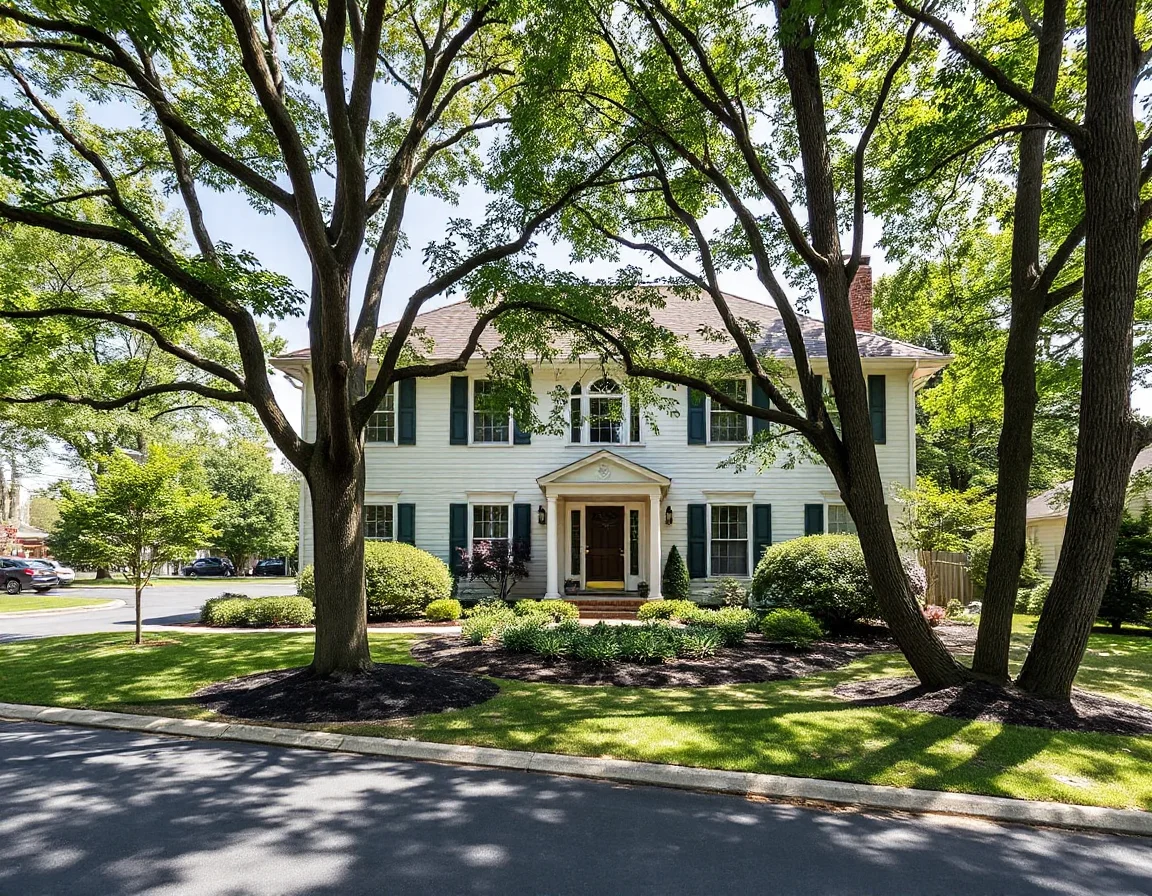
Older homes often have character and solid construction, but they may also come with aging windows, insulation gaps, older electrical panels, or deferred maintenance hidden behind neat presentation. Newer homes can have their own inspection points too, including grading issues, builder shortcuts, or newer systems that still need verification. In both cases, a careful review before writing your offer can help you decide whether to bid aggressively, ask for inspection contingencies, or budget for repairs after closing.
One useful habit during a showing is to make a simple mental checklist: roofline, gutters, foundation, basement odor, window condition, visible cracks, water stains, and mechanical equipment age. You do not need to diagnose the issue on the spot. You just need to notice enough to understand whether the home deserves a deeper look before you commit to terms that may be hard to change later.
A polished interior can make small defects easy to miss. Even a brief pre-offer review of roofing, drainage, and mechanical systems can change how you price risk into an offer.
Focus on the Systems That Drive Repair Costs
The most important inspection items are usually the least glamorous. Roofing, foundation performance, water intrusion, plumbing, electrical service, heating and cooling equipment, and sewer-related concerns tend to matter more than cosmetic wear. A scratched floor or dated tile is visible and easy to price. Hidden moisture, an aging boiler, or improper drainage can be much more expensive and disruptive.
In Demarest, mature lots and established landscaping can be a real asset, but buyers should still pay attention to how exterior conditions interact with the house. Sloping lawns, retaining walls, tree roots, and downspout placement can all influence moisture management. Walk the perimeter if possible. If the ground pitches toward the foundation, if there is standing water after rain, or if basement walls show patching or staining, those details deserve follow-up. None of these observations automatically mean “do not buy.” They simply help you make a better-informed offer.
If the seller has records for roof replacement, waterproofing, HVAC servicing, window upgrades, or appliance installation, those documents can add valuable context. A home with clear maintenance history often gives buyers a better sense of timing for future expenses. When records are missing, your inspection contingency becomes even more important because it may be the first full picture you get of the property’s condition.
Review home inspection guidance
Know When a Pre-Offer Inspection Makes Sense
In a competitive market, some buyers consider a pre-offer inspection or a focused walk-through with a contractor or inspector before submitting terms. This approach can be helpful when you expect multiple offers and want to reduce uncertainty quickly. It can also be useful when a property shows obvious age-related concerns but remains appealing overall. A shorter pre-offer evaluation will not replace a full inspection, but it may help you decide whether to move forward and how strong your offer should be.
That said, a pre-offer inspection is not always practical. Scheduling can be tight, and access may be limited. If you cannot do one, the next best move is to write an offer with clear inspection terms and a realistic understanding of what may need review once you are under contract. The strongest buyers are often not the ones who ignore condition issues; they are the ones who understand them early and structure their offers accordingly.
It also helps to distinguish between “deal-breaker” defects and manageable repairs. Every home will have some inspection items. Loose railings, GFCI updates, caulking, or minor plumbing corrections are common. Structural movement, chronic water penetration, significant mold indicators, or major system failure are different categories entirely. Knowing where you draw that line before you bid can keep the process calmer and more objective.
Inspection reports usually include dozens of notes, but only a handful may materially affect value, financing, or near-term repair budgets. Prioritize major systems and moisture first.
Another smart step is to verify whether there are any added features that deserve specialized review, such as a generator, irrigation system, chimney, deck, pool equipment, or finished lower level with sump pumps or waterproofing systems. General inspectors cover a lot, but not always every specialty component in depth. If a home has extra features, your due diligence should expand with it.
Use Inspection Findings to Strengthen, Not Stall, Your Decision
Once you have enough information, the inspection process should help you make decisions faster, not slower. If the home is in solid condition with only ordinary maintenance items, you may feel comfortable proceeding with confidence. If the report reveals larger concerns, you have several options: renegotiate price, request repairs or credits where appropriate, bring in specialists for further review, or walk away if the risk no longer fits your goals.
What matters most is matching the house to your budget, timeline, and tolerance for post-closing work. Some buyers are comfortable taking on a roof replacement or gradual system upgrades if the location and layout are right. Others want fewer immediate projects and may decide to pursue a property with more recent improvements. Neither approach is right or wrong. The inspection simply gives you the facts needed to make a clear-eyed choice.
It can also be useful to think beyond the first year. If a home has an older furnace, original windows, or visible exterior wear, ask not only “Can I handle this now?” but also “What will this likely cost over the next three to five years?” That broader view often leads to better offers and fewer surprises after closing.
Learn more about making an offer
A Careful Inspection Plan Helps You Compete Wisely
Buying in Demarest can involve fast decisions, especially when well-presented homes attract strong attention. The best response is not to skip diligence, but to prepare for it. Tour each property with systems in mind, ask targeted questions, review maintenance records when available, and understand which issues are routine versus significant. If needed, bring in the right professionals early enough to shape your offer intelligently.
A home inspection is ultimately a planning tool. It can help you protect your budget, refine your negotiation strategy, and move ahead with less guesswork. When you know how to evaluate condition before making an offer, you put yourself in a stronger position to act decisively on the right property and avoid becoming emotionally committed before the facts are clear.